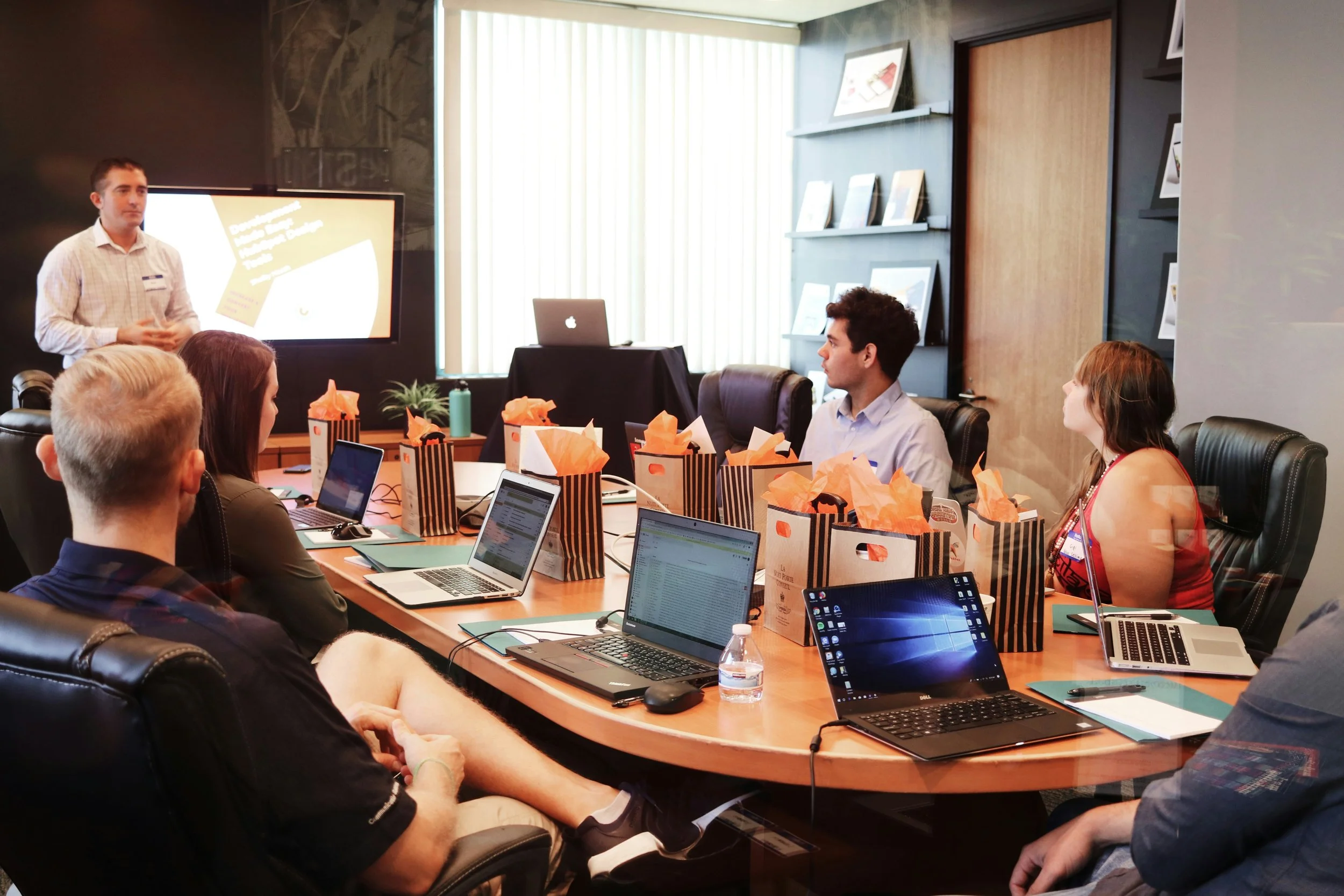
Stakeholder Approval
Secured stakeholder approval through strategic presentations and data-backed recommendations.
Skills: stakeholder management, design presentation, team dynamics
Role: Product / UX Lead, prepare and present design solutions that earn stakeholder approvals.
CASE STUDIES
1. Stakeholder Ownership
Goal: Get approval for developer time and deeper design exploration.
Problem: Time and resources are limited, making it challenging to secure approval.
Solution:
Keep stakeholders regularly updated
Avoid surprises in presentations
Prepare materials they could take to their leadership to gain further approval
2. Design Presentation
Goal: Get approval to develop the feature.
Problem: Tight deadline and previous stakeholder rejection.
Solution:
Prepared a compelling, well-structured presentation
Team fully prepared and ready
Developers knew exactly how to execute
QA were aligned on feasibility and risk
Ticket already written and button just need to be pressed
Branded the initiative as a “lift and shift” to make it approachable
A good designer is a good salesman
Challenge
A critical design update was needed to improve overall usability and streamline user interactions. The update was supported by designers, product owners, engineers, and QA, all of whom agreed it was necessary, yet previous attempts to implement it had not received approval. The release manager raised concerns that introducing the change could put the major release at risk, citing potential timeline delays, technical challenges, and the possibility of adding enough risk to compromise the release. To address these concerns, I led a structured presentation to leadership and the release manager, advocating for the update and showing how it could be completed safely and effectively before the major release.
Preparation
In preparing for the presentation, I worked closely with product owners, all front-end engineers, and QA to develop fully fleshed-out, implementable designs. The effort was estimated as a medium T-shirt size, and QA noted there could be some risk, but despite the site-wide nature of the change, the overall risk was low. During the presentation, I walked through the designs in detail while also highlighting the high-level rationale and feasibility. I emphasized the cross-functional vetting that had taken place, demonstrating that the update was thoroughly reviewed from both technical and product perspectives.
Approval
To support approval, I framed the update as a “lift and shift,” a term I coined to present the change as feasible and less disruptive than it appeared. I showed the release manager how fully prepared I was, even to the point that I had the requirements already written down and ready to go. After the presentation, the release manager approved the change, allowing the team to move forward immediately. The update was completed on schedule and performed as expected after release.
A good designer is a good salesman
Every designer should learn to sell how to sell their product. On many occasions, I spent more time working on a PowerPoint presentation than I did on the actual design and in most cases, and it was worth every second.
The five-second presentation
Presentation don’t always come in the form of PowerPoint slides. Having a quick two sentences about what your project is and its impact should always be ready.
METHOD 2: STAKEHOLDER OWNERSHIP
“My idea”
METHOD 3: TRUST IN THE TEAM
StarCraft 2
StarCraft is a $1 billion computer gaming franchise and regarded as one of the world’s best strategy games. It played a microeconomic role in helping lift South Korea out of its 1994-2000 recession. After release, I was invited to the Wharton School of Business by Kevin Werbach, author of “For the Win”, on using game thinking to increase user engagement, a concept known as gamification.
Team Dynamics
The best designs can fall short if there isn’t good team dynamics. For this project this is what it meant for us.
Comradery
Shared vision
Shared motivation
Ownership of the product, NOT their feature
Holistic workflow
Celebrate small wins
Box signing for the launch event at Fry’s Electronics in Fountain Valley, CA
Product planning
Established hard requirements
Researched pain points and areas for improvement
Defined soft requirements and stretch goals
Negotiated allotment of time and resources
Uncovered technical possibilities and constraints
Created shared vision teams across disciplines
Defined clear timeline
Came up with a realistic proposal
If the team says you guys can do it, then I have nothing to say.”
-Tim Morten, Production Director
Results
The features sets were completed on time and were met with positive reviews from users as demonstrated by YouTube comments.
A YouTube video which showcases some of my work
PREVIOUS: High-Impact Design Initiatives
NEXT: UI / UX Design