Stakeholder Approval
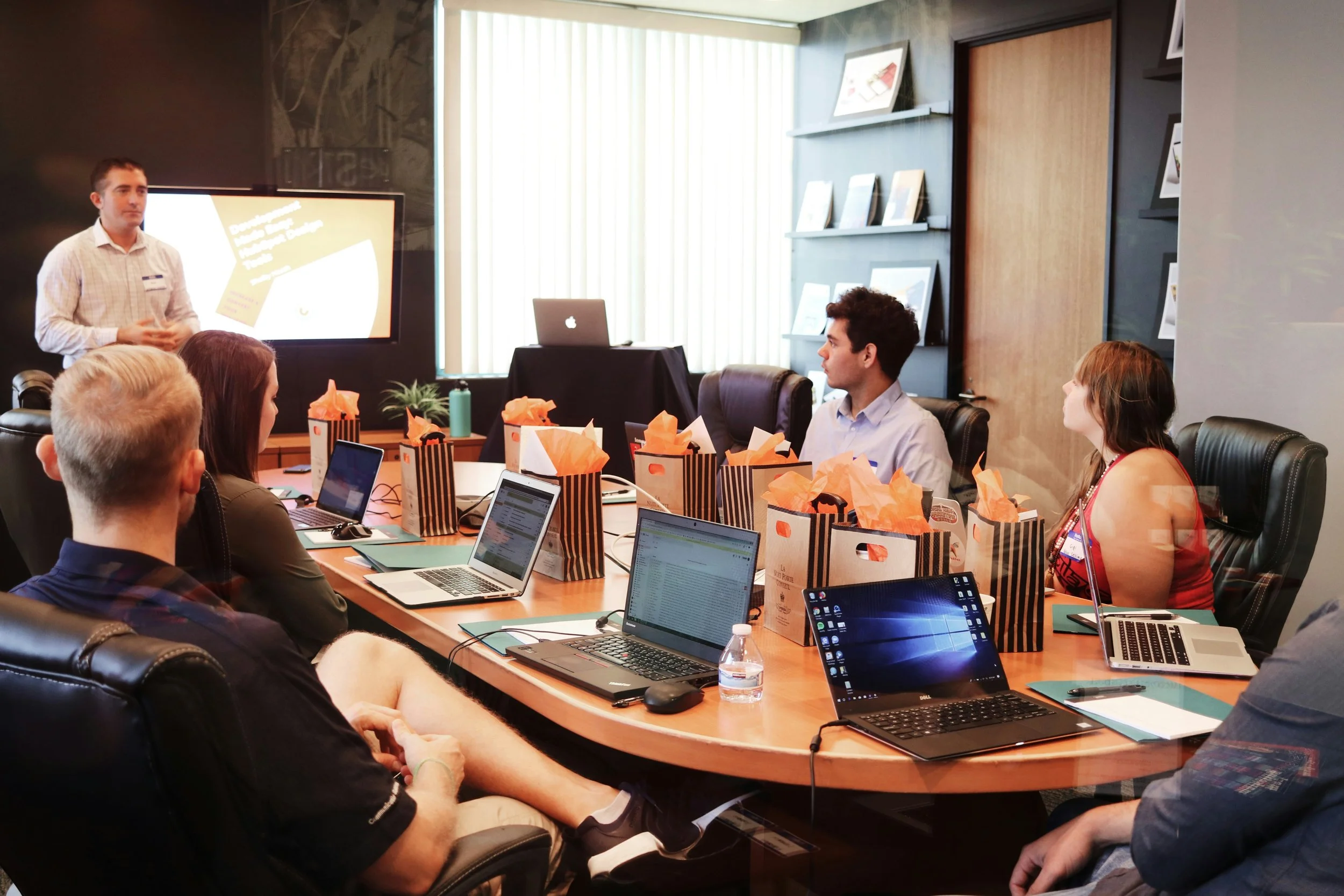
Secured stakeholder approval through strategic presentations and data-backed recommendations.
Skills: stakeholder management, design presentation, team dynamics
Role: Product / UX Lead, prepare and present design solutions that earn stakeholder approvals.
A Good Designer is a Good Salesman
A designer's success depends on the ability to sell ideas, not just on the quality of the work itself. Even the best solutions won’t gain approval without clear communication and persuasion. There are times when more time is devoted to crafting presentations than to the work itself, and sometimes a well-crafted five-second elevator pitch can be just as effective.
METHOD 1: Design Presentation
Design Presentation
Challenge
A critical design update was needed to improve overall usability and streamline user interactions. The update was supported by designers, product owners, engineers, and QA, all of whom agreed it was necessary, yet a previous attempt to implement it had not received approval. The release manager raised concerns that introducing the change could put the major release at risk, citing potential timeline delays, technical challenges, and the possibility of adding enough risk to compromise the release. To address these concerns, I led a structured presentation to leadership and the release manager, advocating for the update and showing how it could be completed safely and effectively before the major release.
Preparation
In preparing for the presentation, I worked closely with product owners, all front-end engineers, and QA to develop fully fleshed-out, implementable designs. The effort was estimated as a medium T-shirt size, and QA noted there could be some risk, but despite the site-wide nature of the change, the overall risk was low. During the presentation, I walked through the designs in detail while also highlighting the high-level rationale and feasibility. I emphasized the cross-functional vetting that had taken place, demonstrating that the update was thoroughly reviewed from both technical and product perspectives.
Approval
To help support approval, I framed the update as a “lift and shift,” a term I coined to present the change as feasible and less disruptive than it appeared. I showed the release manager how fully prepared I was, even to the point that I had the requirements already written down and ready to go. After the presentation, the release manager approved the change, allowing the team to move forward immediately. The update was completed on schedule and performed as expected after release.
METHOD 2: Stakeholder Ownership
Stakeholder Ownership
Challenge
A project was in its conceptual phase, and we needed a compelling design and plan to secure stakeholder approval before development could begin. Stakeholders had high-level visibility and were generally aligned but did not have complete insight into all the details. The proposal needed to clearly show that it was ready to move into development. Even with overall agreement on the project’s direction, the proposal could be rejected if it did not clearly demonstrate readiness for the next phase.
Preparation
Regular updates with stakeholders kept them informed, allowed them to ask meaningful questions, and provide input throughout the design process. These updates gave stakeholders visibility into progress and decisions. By maintaining this ongoing communication, the team was able to clarify details, incorporate feedback, and align expectations. This approach created a sense of ownership among stakeholders, reduced the risk of surprises later, and made it clear that the proposal was ready to move forward when it came time for final approval.
Approval
The final presentation was written as if the stakeholder had zero knowledge about the project and could be presented directly with an executive if needed. All stakeholders were fully informed and had opportunities to ask questions and provide input throughout the process. By the time approval was requested, there were no surprises, and everyone was aligned on the project’s readiness to move into development.
METHOD 3: CONFIDENCE
Confidence
Trust built through consistent delivery is often the deciding factor in gaining stakeholder confidence for bold initiatives.
Team Dynamics
The best designs can fall short without a high-functioning team. For this team, it meant:
Comradery
Shared vision
Shared motivation
Ownership of the product, NOT their feature
Holistic workflow
Celebrate small wins
Product planning
Established hard requirements
Researched pain points and areas for improvement
Defined soft requirements and stretch goals
Negotiated allotment of time and resources
Uncovered technical possibilities and constraints
Created shared vision teams across disciplines
Defined clear timeline
Came up with a realistic proposal
Results
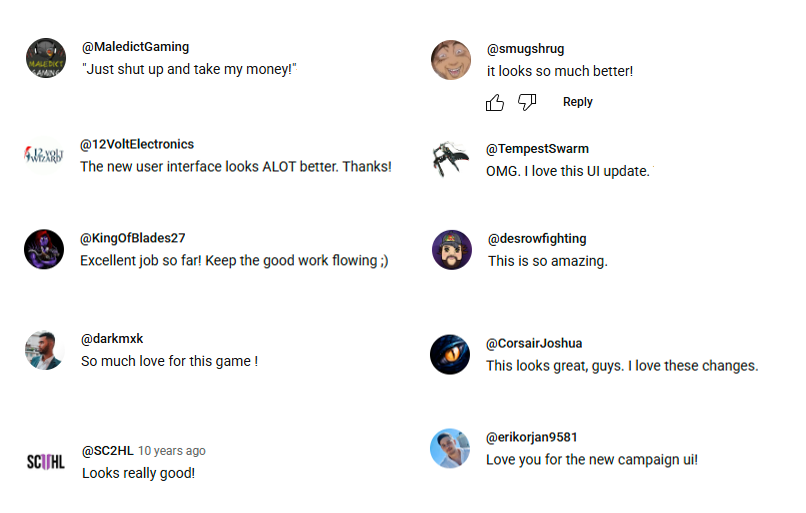
The features sets were completed on time and were met with positive reviews from users as demonstrated by YouTube comments.
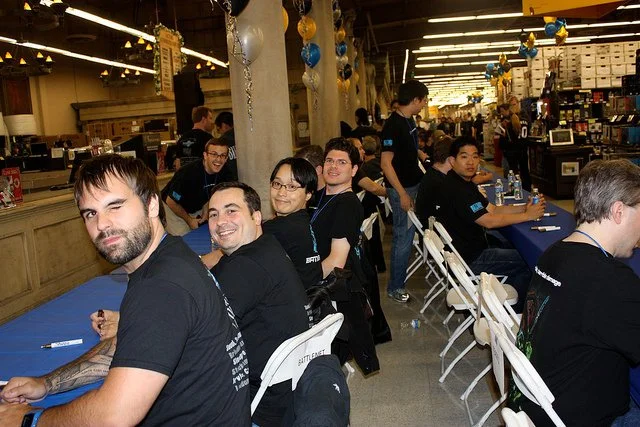
Box signing for the launch event at Fry’s Electronics in Fountain Valley, CA
A YouTube video which showcases the team’s work
PREVIOUS: High-Impact Design Initiatives
NEXT: UI / UX Design