Loyalty Program Integration
Marriott-Starwood merger
Combined three loyalty programs with 110M+ members into one unified digital ecosystem under a tight legal deadline.
Role: Lead UX Loyalty Designer, responsible for the digital loyalty experience, coordinating strategy and execution across enterprise-level departments
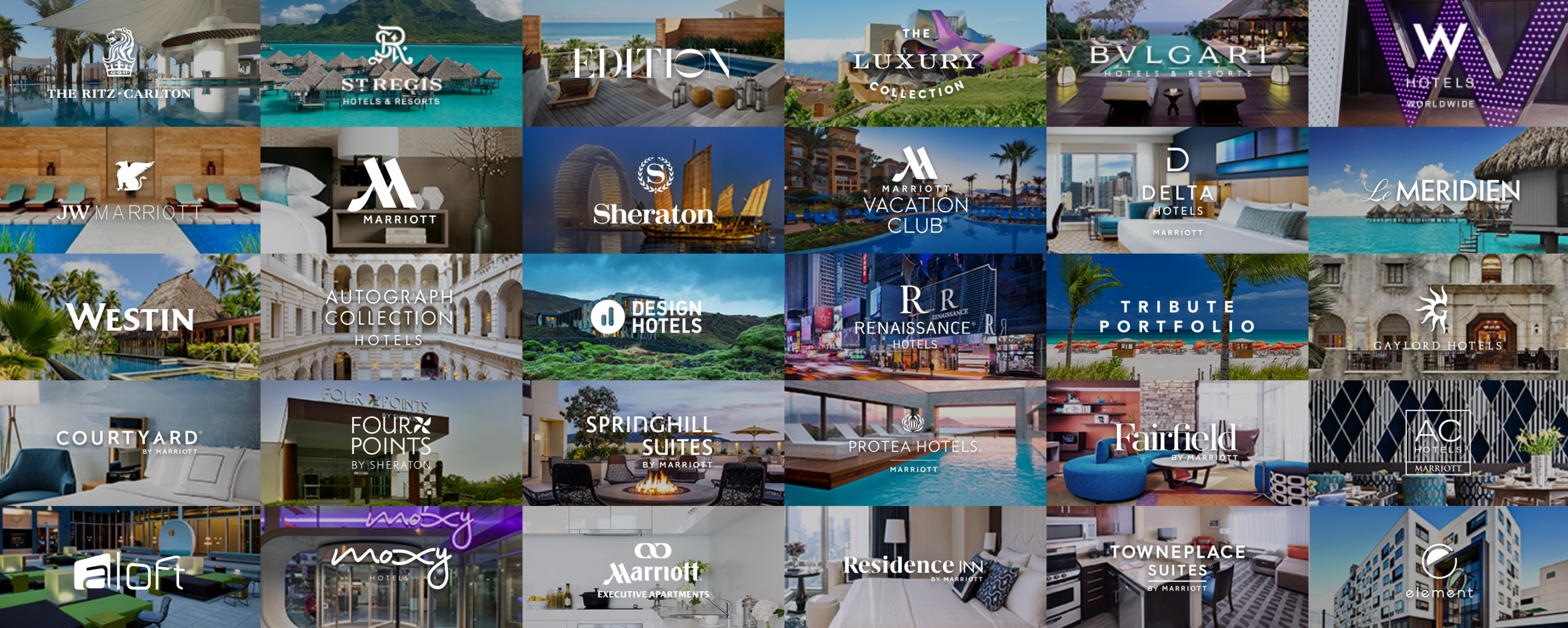
30 HOTEL BRANDS TO UNIFY
3 LOYALTY PROGRAMS TO MERGE
16 DEPARTMENTS TO GET IT DONE
Digital Loyalty
Reservations
Promotions
Standards
Rewards
Mobile
Branding
Marketing
User Researcher
Mobile
Legal
Operations
Customer Care
Product
Engineering
Quality Assurance
Impact / Results
On-time delivery — met strict legal deadlines for Marriott-Starwood loyalty launch
Achieved ADA compliance — accessible experience for all users
Stable customer care volume — no increase in support calls post-launch
Member retention maintained — no measurable loss of members
Minimal change requests — solution met stakeholder expectations with few revisions
No negative coverage — rollout avoided PR or press issues
Press Mentions
”The [account linking] process is very simple”
- The Points Guy, 1.8M followers
“One of the key factors behind the success … is its user-friendly rewards portal.”
- Triyon Sengupta, Nector.io
Goal Highlights
Deliver on time under legal constraints — meet strict deadlines while maintaining quality
Meet accessibility standards — fully compliant and usable by all audiences
Seamless account merging — combine member accounts across platforms without errors
Educate members effectively — help users understand the new rewards program
Challenges
Project velocity lagging — sprint progress indicated the team wouldn’t meet the launch deadline
Cross-department, cross-company collaboration — coordinating 16 teams across Marriott and multiple external companies
Large, complex loyalty programs — each program had a wide array of rewards and tiers with complicated rules that needed merging
No user testing — tight deadlines left no time for any testing before launch
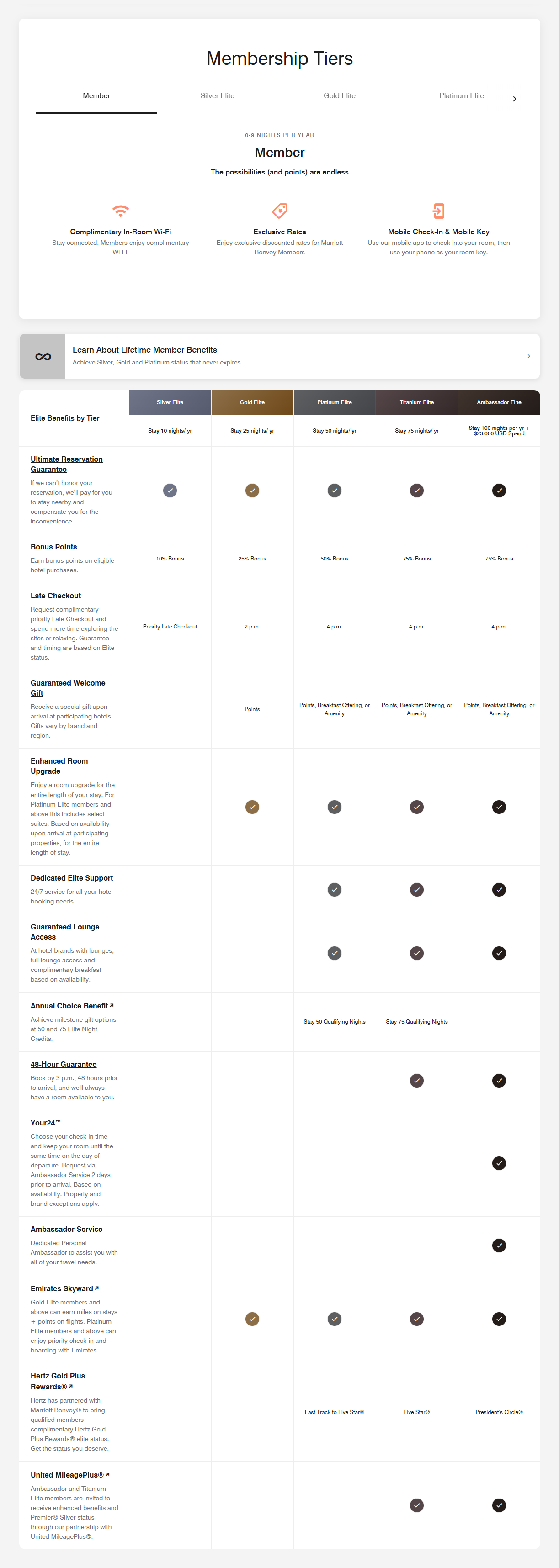
Combining member benefits was one part of the massive undertaking.
Strategic Execution
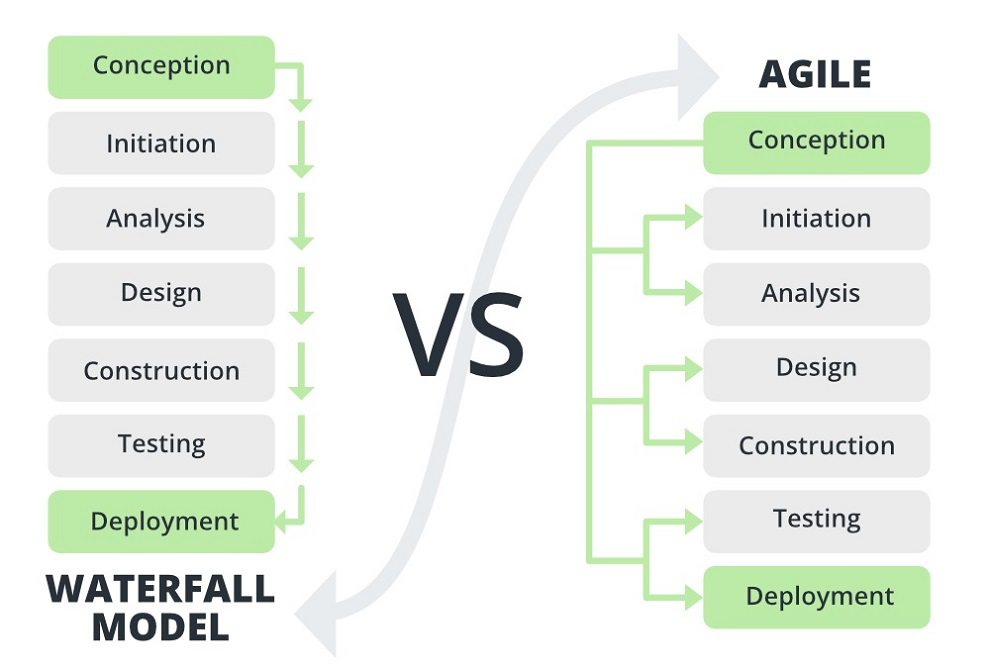
Pillar 1: Hybrid Methodologies
As part of our strategic execution, we deliberately chose hybrid methodologies to meet the project’s complex demands. Depending on the needs of each feature, some work followed Agile sprints to allow rapid iteration and feedback, while other features with stricter requirements followed structured Waterfall processes, which required careful coordination and operational resilience. This approach let us move quickly where possible, while still adhering to critical compliance and operational constraints, ensuring the project stayed on track without compromising quality.
Pillar 2: Design Quality & Accelerated Deployment
With tight deadlines and strict Waterfall dependencies, we had to execute carefully while having detailed requirements documented upfront. There was no time for user testing, so every design decision relied on our expertise to produce high-quality outcomes. Our team leveraged deep knowledge of ADA requirements to create compliant designs from the start, preventing wasted QA cycles and avoiding rework.