
Data-Driven Retention Systems
What makes me different
Others understand the UI and UX of gamification.
As a former game designer at Blizzard Entertainment, I know the psychology behind it.
The Challenge & Context
The Battle.net ecosystem (26M+ MAUs) struggled to convert high-volume casual players into long-term, valuable competitive participants. The primary challenge was that industry standard practice provided raw data (MMR) but offered no visible, motivating feedback, status, or psychological reward for long-term retention.
Goal
Retention: Design a sustainable, visible system to significantly reduce player churn across the platform.
Scale: System must support diverse franchises (MMOs, strategy, etc.) while maintaining brand consistency.
Status Signaling: Create a system to reward player commitment by providing clear, intrinsically motivating social status and recognition.

MMR 12560
Industry standard practice provided raw data but offered no visual feedback, status, or motivation for long-term retention.
My Solution & Approach
My strategy was to move beyond simple numeric tracking and design a comprehensive meta-game that leverages behavioral psychology to foster long-term commitment. This required transforming the abstract concept of skill into visible, valuable, and rewarding social currency.
Tiered Progression and Achievement Architecture
To counteract the abstract ELO system, I designed a Tiered Progression structure that provided clear, attainable milestones and immediate emotional rewards.
Design Mechanism: Created distinct, visually unique ranking tiers that served as social capital, communicating player status instantly.
Motivation: Structured the tiers to offer short-term gratification (promotions) within the larger long-term progression loop (climbing to the top league).
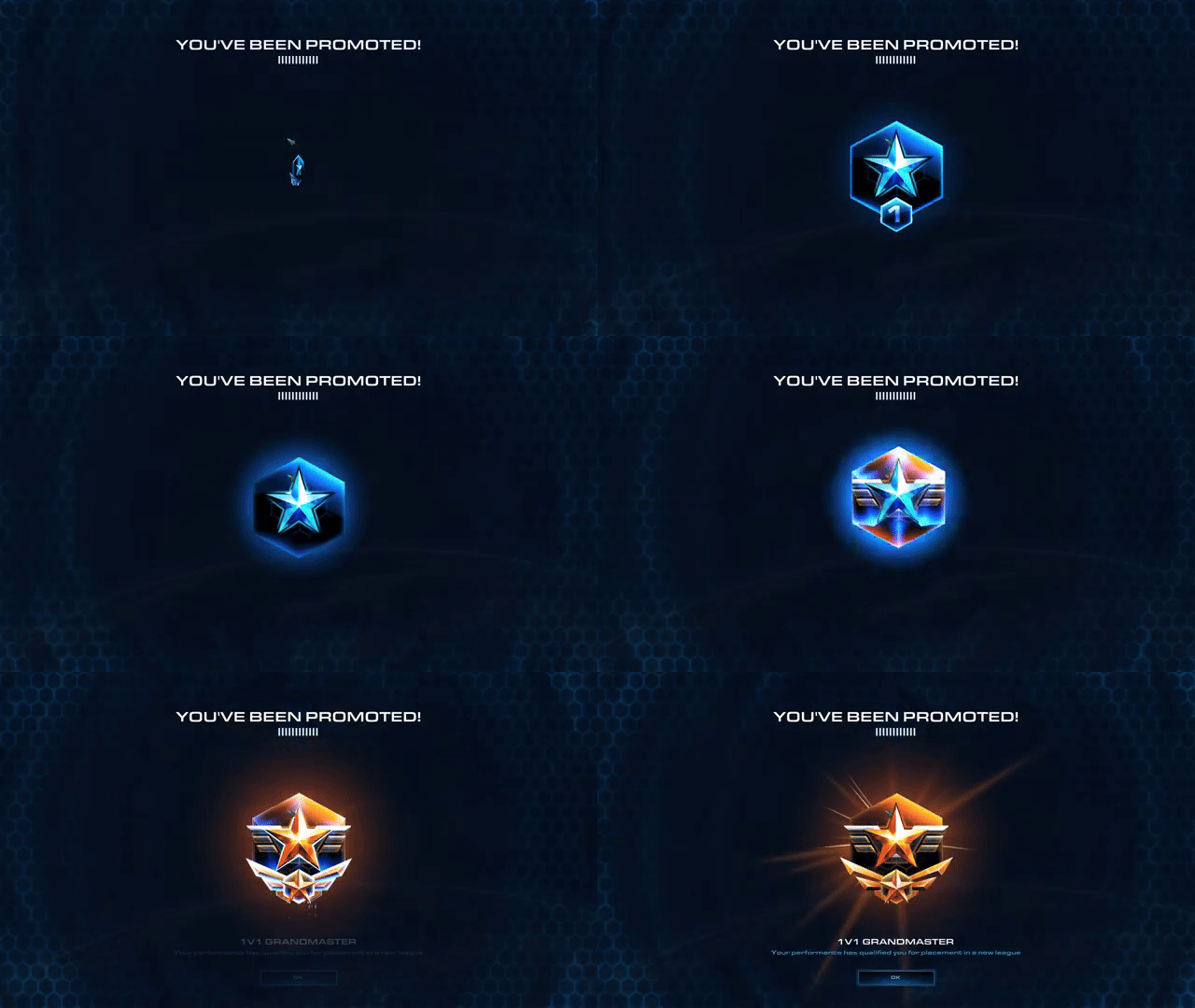
Visual Strategy: Every tier change was tied to unique iconography and visual feedback, capitalizing on the psychological reward associated with status acquisition and mastery.
Seven Leagues
The ranking system consisted of seven progressive tiers based on skill, with the population evenly distributed across tiers except for Master and Grandmaster, which were intentionally more exclusive to recognize top-performing players.

Population Distribution
In the initial release, the population was evenly distributed across the core tiers based on skill. Through user interviews and data analysis, we shifted the early tiers to be based solely on participation. The number of games required to progress through these tiers was informed by how many games lower-tier players typically play in a season.
Before
After
Data-driven Personas & Progression
Based on these insights and additional analysis, we divided the player population into four data-driven personas.
-
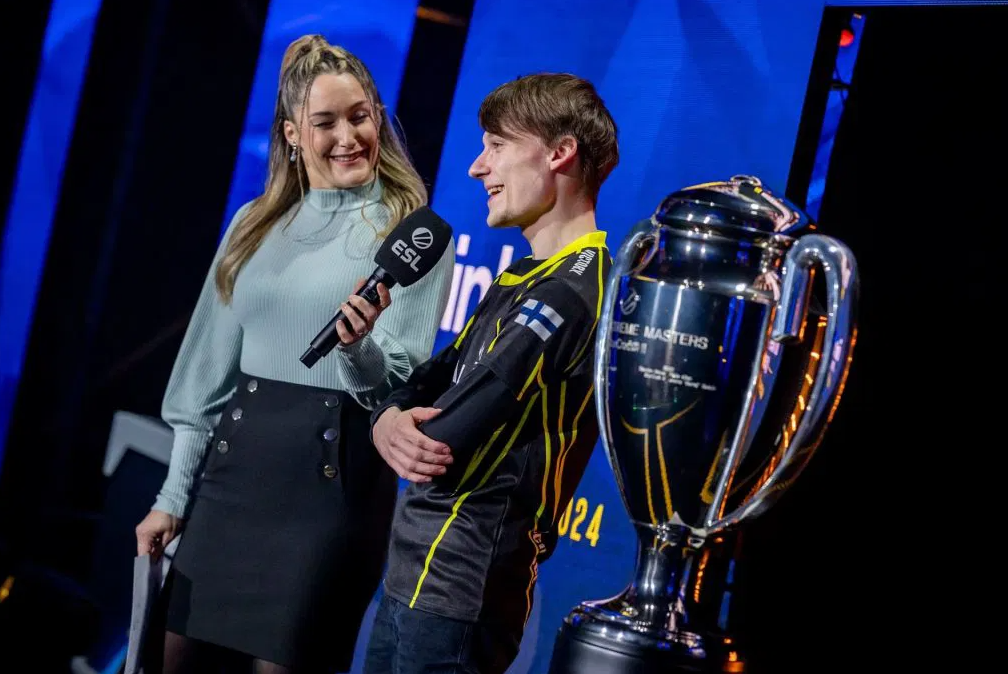
Grandmaster & Master
This tier is about pure, transparent skill demonstration. Ranks and ELO are fully visible to encourage high-stakes competitive play and serve as a status benchmark for top-tier users.
-

Diamond & Platinum
Progression is purely skill-based, but hidden ELO shields users from anxiety, promoting consistent, engaged play and focused improvement without the stress of constant, visible rank fluctuation.
-

Gold
The first tier to heavily incentivize participation. This mix ensures users must continue playing regularly and improving to advance, effectively turning the system into a daily or weekly habit.
-
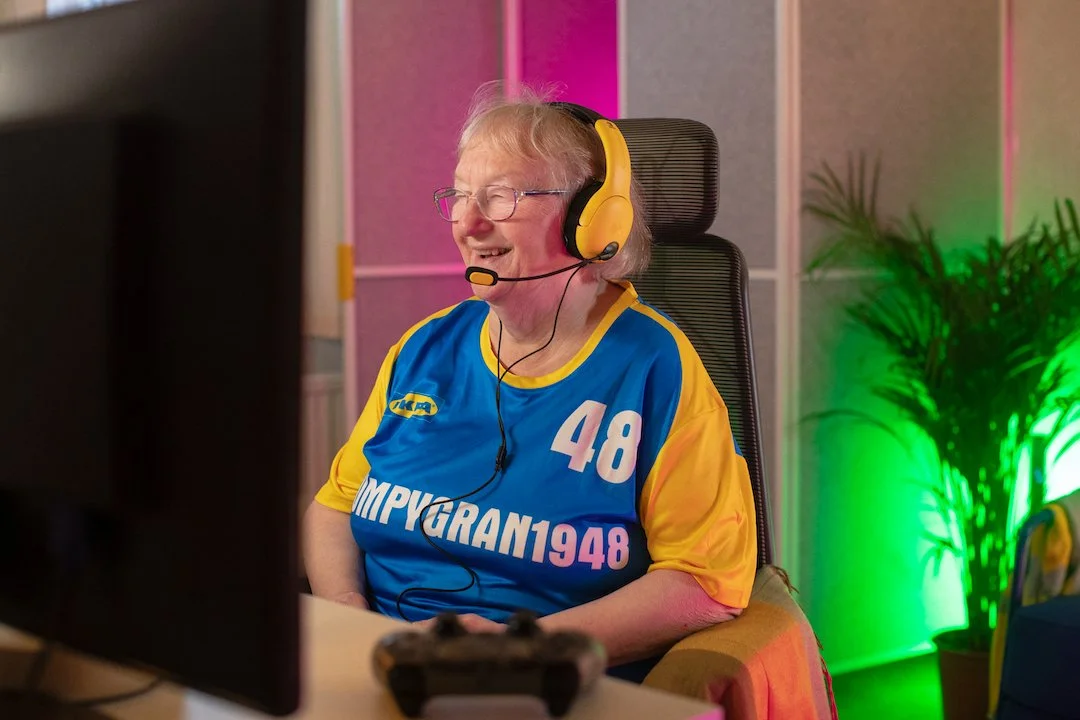
Silver & Bronze
Progression is nearly guaranteed by logging in and playing low-friction activities. The goal is to reduce initial drop-off and quickly give the user a sense of easy, early achievement.
Behavioral Modeling for Habit Formation
The core design principle was to build retention loops by aligning the system's rewards with the player's intrinsic desire for status, competence, and challenge.
Intrinsic Value: Ensured the progression system was rooted in providing recognition for skill (competence) rather than just time played (extrinsic reward).
Variable Reward: The ranking system itself acted as the variable reward mechanism, encouraging continuous engagement as players sought to maintain or improve their standing.
Feedback Loops: Designed consistent and non-punitive feedback that encouraged investment—even minor progress (e.g., win streaks) provided positive reinforcement to continue the cycle.
Results & Metrics
The introduction of the new Tiered Progression and Achievement Architecture immediately and substantially improved player retention, validated through internal data and external industry recognition.
Outcomes
Retention: Achieved a verified 40% reduction in user churn (player drop-off) on key competitive features by providing clear progression goals and meaningful status.
Engagement: Drove a measured +130% engagement lift on the core competitive ladders and surrounding ecosystem features.
A/B Testing: Design decisions were rigorously validated using A/B and Multivariate Testing, ensuring optimal balance between competitive rigor and positive feedback loops.
Industry Influence & Authority
Pioneering Model: The strategic and visual framework of the system defined the standard for competitive ranking and progression systems that followed across the industry (e.g., League of Legends, CS:GO).
Executive Recognition: The success of the system and the underlying behavioral framework earned recognition as a Guest Speaker at the Wharton School of Business on applied gamification strategy.
Long-Term Impact: The comprehensive model provided a sustainable, highly-leveraged system that continues to drive value for the ecosystem many years after its launch.

Guest Speaker at Wharton School of Business

Gamification SME
I was invited as a guest speaker to the Wharton School of Business by Kevin Werbach, author of “For the Win”, to give a presentation on increasing business success through game thinking, a concept known as gamification.