Hi, I’m Alex
I drive business success by simplifying complexity, advocating for user needs, and aligning them with business priorities.
FEATURED CASE STUDIES
Marriott-Starwood merger
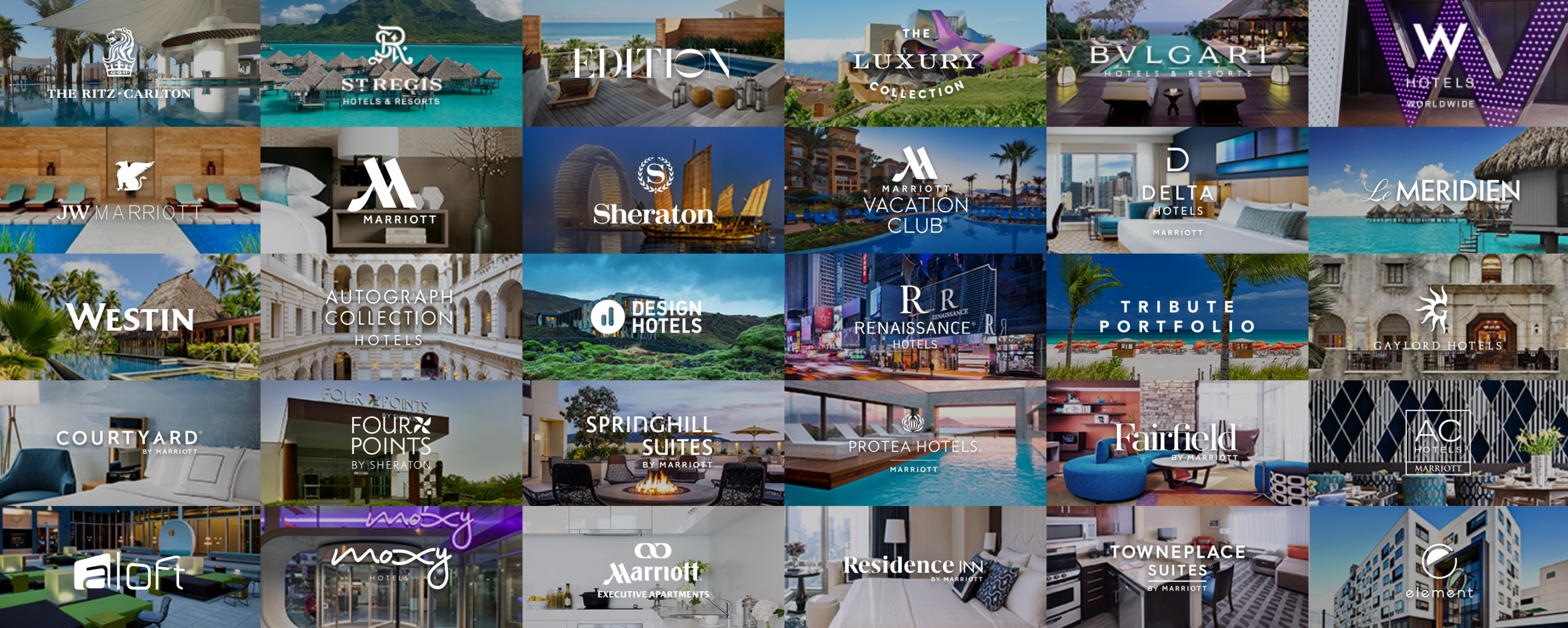
Combined 30+ hotel brands, 5,500+ properties, 110M+ loyalty members across three loyalty programs into one unified digital ecosystem.
Role: Lead UX Loyalty Designer, responsible for the digital loyalty experience, coordinating strategy and execution across enterprise-level departments
30 HOTEL BRANDS
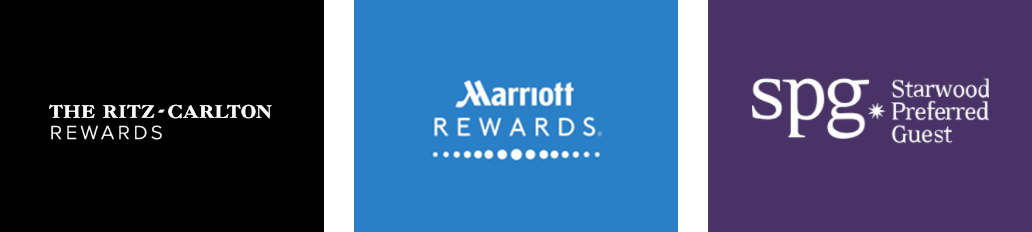
3 LOYALTY PROGRAMS
GOAL HIGHLIGHTS
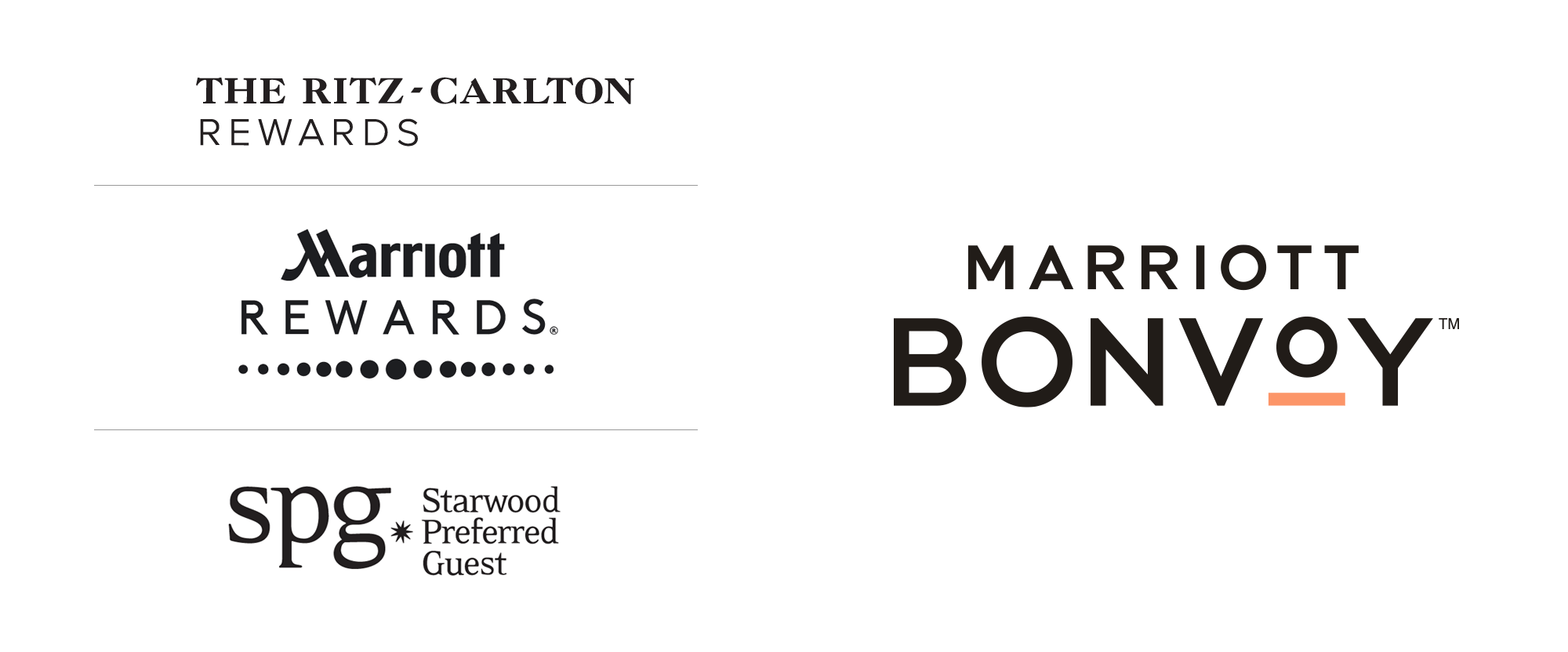
Unify loyalty ecosystem that combined Marriott Rewards, The Ritz-Carlton Rewards, and Starwood Preferred Guest
Streamline workflows for seamless account consolidation
Educate members in a two-year evolving rewards structure
Generate excitement for and alleviate fears of the new program
Build brand presence to the new program
Retain trust & loyalty throughout the transition
CHALLENGES
Large-scale loyalty programs made it difficult to educate members on changes in benefits and rewards
Enterprise website required comprehensive attention to include all touchpoints, large and small
Corporate structure required coordinating with multiple departments to align goals, workflows, and approvals
Legal deadlines necessitated thoroughly vetted upfront designs and documentation along with a swimlane workflow to ensure rapid turnarounds (Waterfall)
Team dynamics were a sensitive, everyday priority
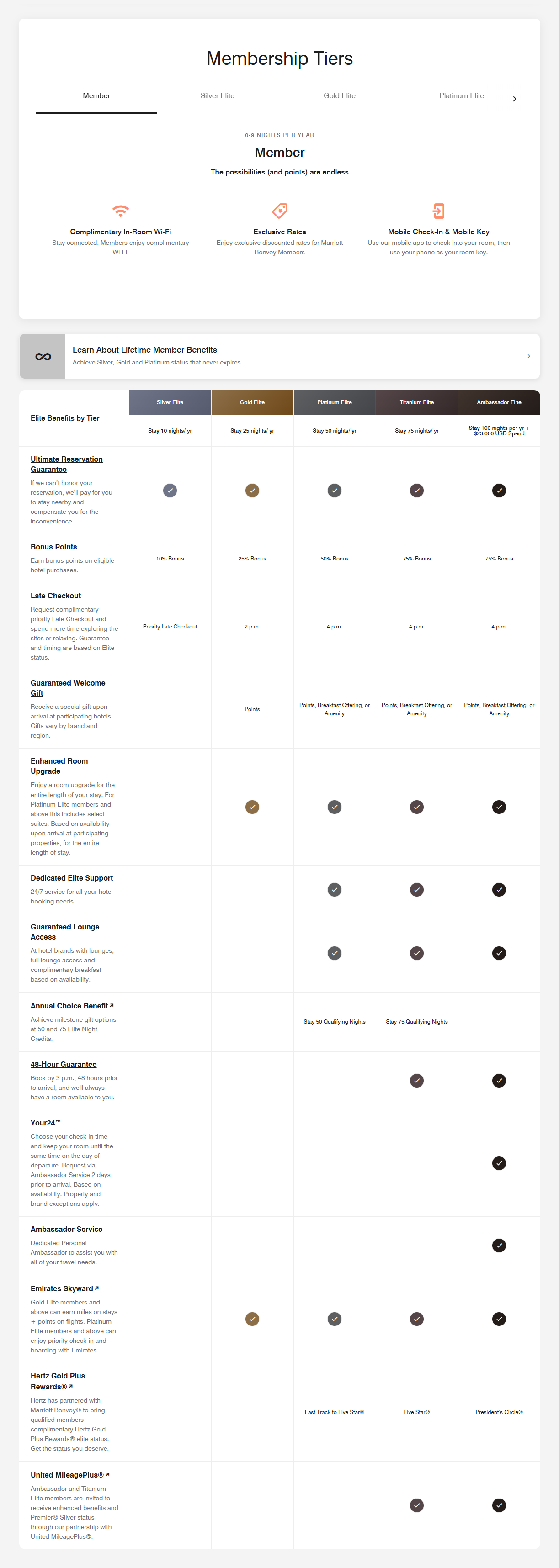
Combining member benefits was one part of the massive undertaking.
Design Process

Discover

Define

Design
Ideate
TWO-YEAR PROCESS
Over the span of two years, the programs and rewards systems were merged, starting with account management.
User education, consistency, and intuitive flows were key to avoid customer service calls and to maintain member confidence.
A design evolution strategy was needed to help users navigate through changes as benefits and rewards were merged, updated, added, or phased out.
ACCOUNT MERGE HIGHLIGHTS
-
![]()
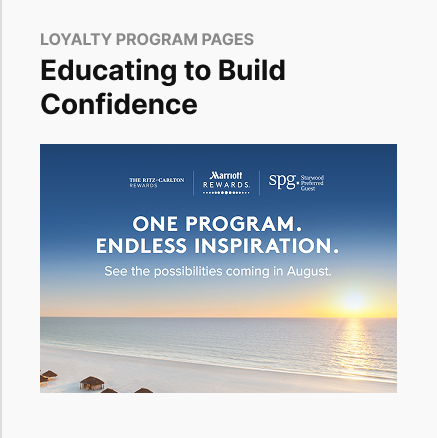
The first step was to excite and inform members on what to expect and how to prepare.
-
![]()
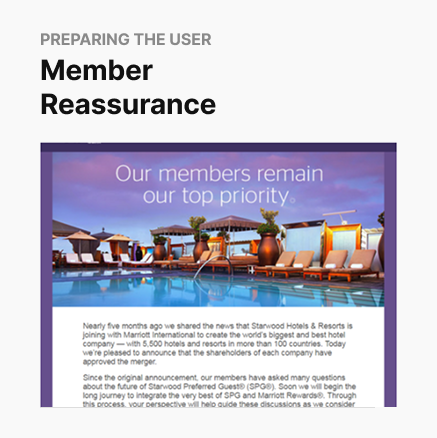
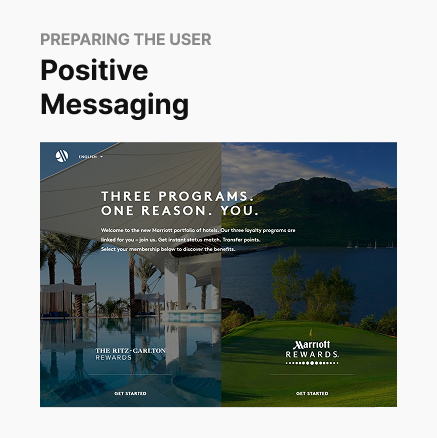
Reassuring members that the merger would be positive was a top priority in order to retain loyalty.
-
![]()
Effective wording created a positive experience for users.
-
![]()
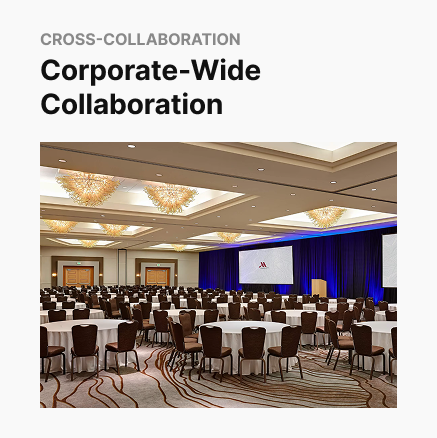
Teams would gather in one ballroom so that cross-collaboration would be more efficient.
-
![]()
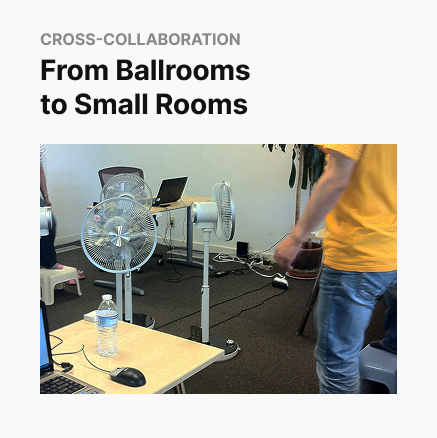
Sapient’s on site team took over development at headquarters, working through tight deadlines in limited space, electric fans were used to keep the air circulating.
-
![]()
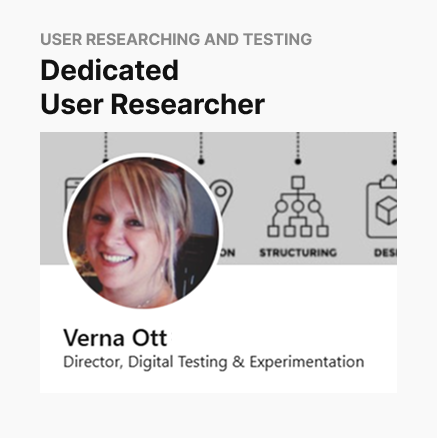
Conducted user research and user testing with a dedicated User Researcher.
-
![]()
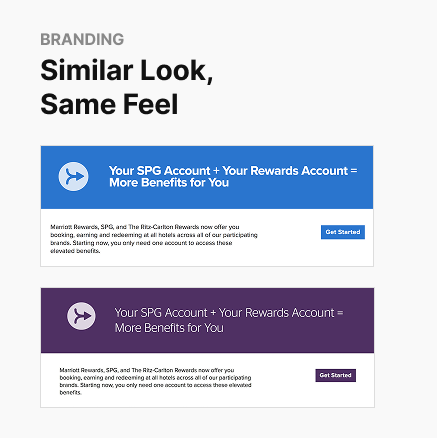
Brand guidelines were combined in a roll-out fashion.
-
![]()
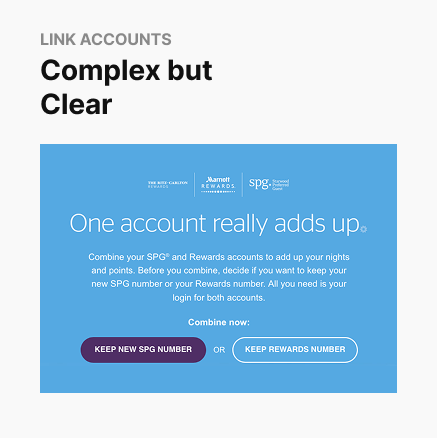
Members were provided many educational opportunities prior to linking to ensure they understood everything and felt confident.
-
![]()
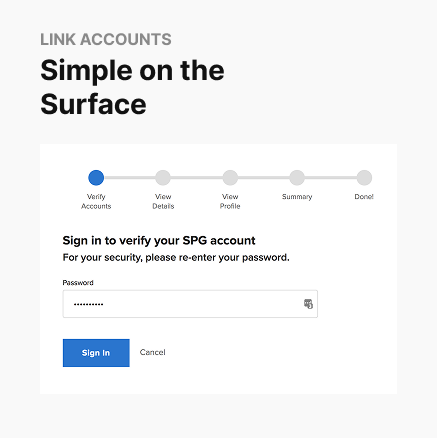
Stepper forms were limited to five bullets to make the process feel simpler, despite having more than five steps.
-
![]()
Common unhappy paths were integrated into the merge flow to preserve a streamlined process.
-
![]()
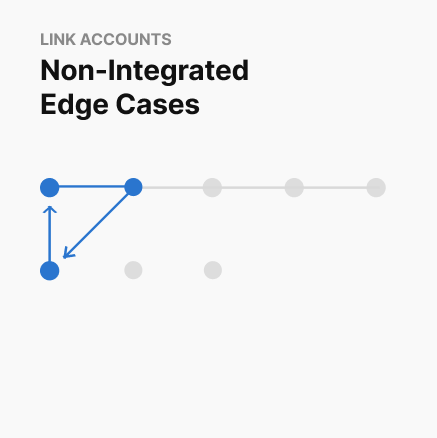
Edge cases were not integrated in the flow. Clear messaging was strategically placed in the process to minimize confusion for the happy paths.
-
![]()
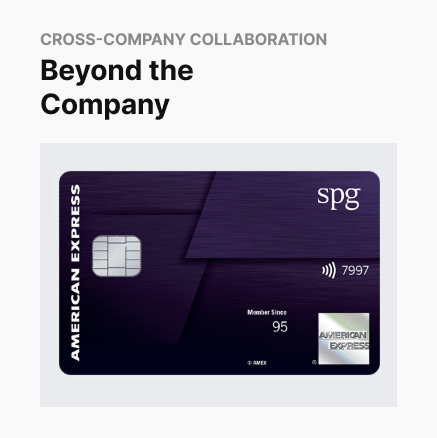
Some rewards extended beyond the company’s loyalty program and required cross-company collaboration
-
![]()
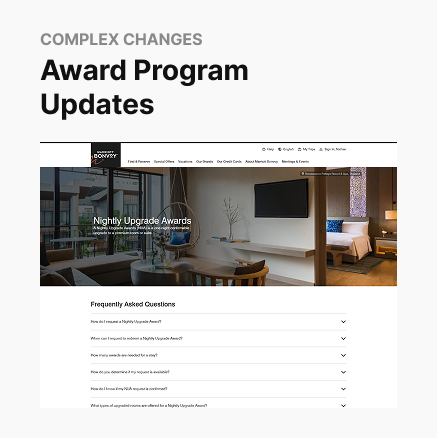
Some complex awards took months to finalize, and members needed to be guided on what they were, where to find them, and how to use them.
-
![]()
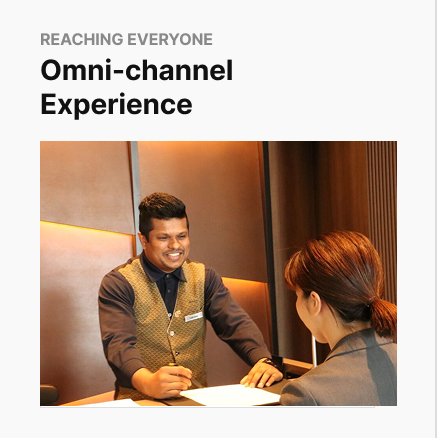
Certain digital loyalty decisions were communicated to the Operations team to prevent customer confusion on property.

PRESS MENTIONS
”The [account linking] process is very simple”
- The Points Guy, 1.8M followers
“One of the key factors behind the success … is its user-friendly rewards portal.”
- Triyon Sengupta, Nector.io
RESULTS
Positive recognition by travel influencers for ease of use
Seamless transition with no reported issues or change requests
Scalable design foundation that supported ongoing enhancements and future loyalty updates
Legal deadlines were successfully met
Team dynamics were maintained or strengthened
Marriott Bonvoy is thriving as the world’s largest hotel loyalty program with 250M+ members
FEATURED CASE STUDIES
High-ROI through UX audit
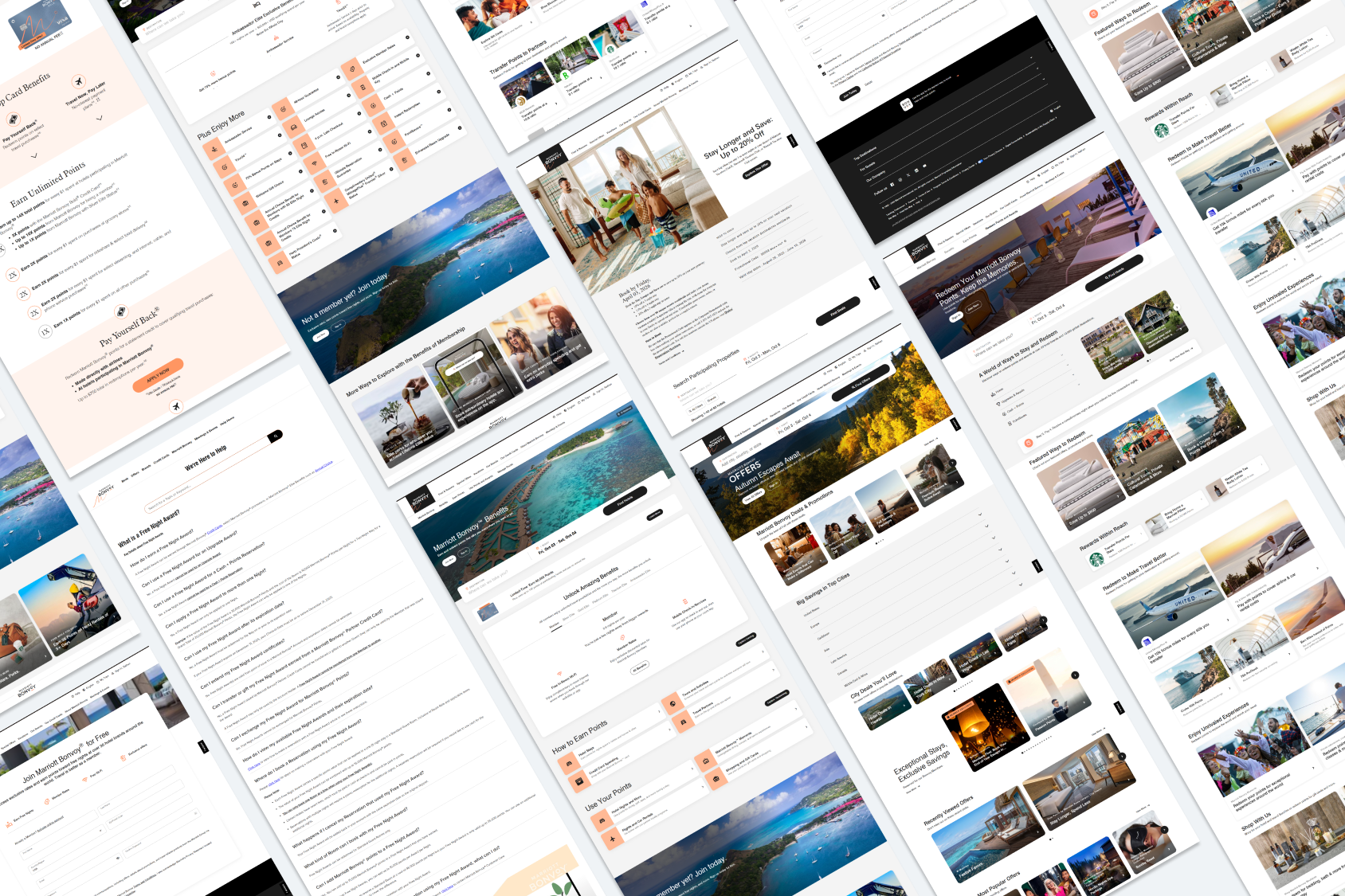
Large-scale comprehensive audit of legacy loyalty touchpoints to identify areas of improvement.
Role: UX lead, uncover high-ROI UX opportunities through optimized product experiences.
HYPOTHESIS
Legacy UI and workflows may contain inefficiencies that represent opportunities for cost savings and improved user engagement.
GOALS
Discover actionable enhancements
Establish measurable KPIs for proposed changes
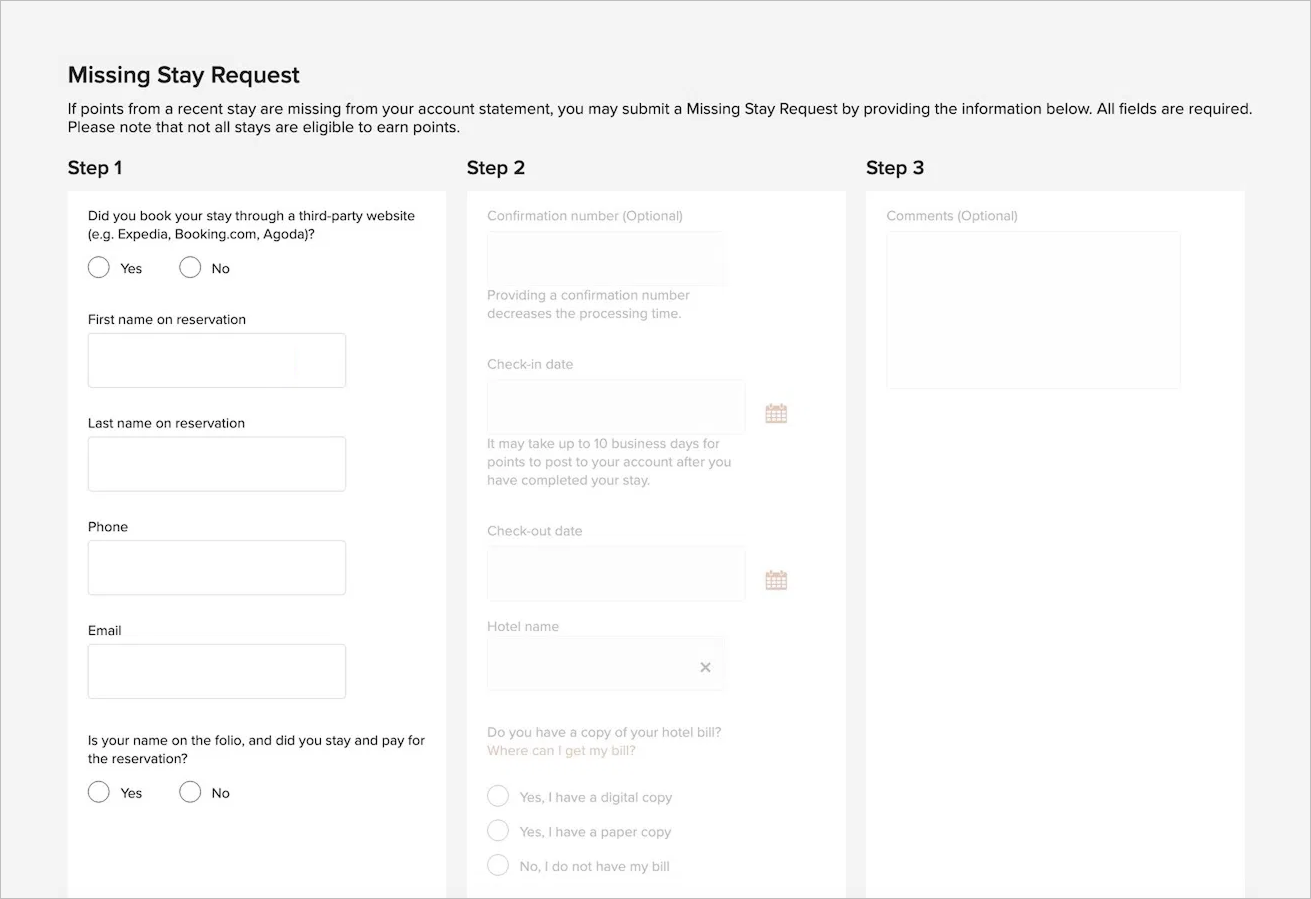
Some legacy designs hadn’t been updated for nearly a decade.
CHALLENGES
Large complex site and touchpoints make it impossible to check all places
Potential risks could arise from even the smallest of changes
Technical constraints prohibited certain enhancements
Cost-effectiveness was difficult to achieve
DESIGN PROCESS
The most effective process was to talk to people from around the company directly.
Design
Design
Collaborate More

Collaborate
HIGH-VALUE TARGETS
I identified three categories that had the highest ROI and focused on those.
-
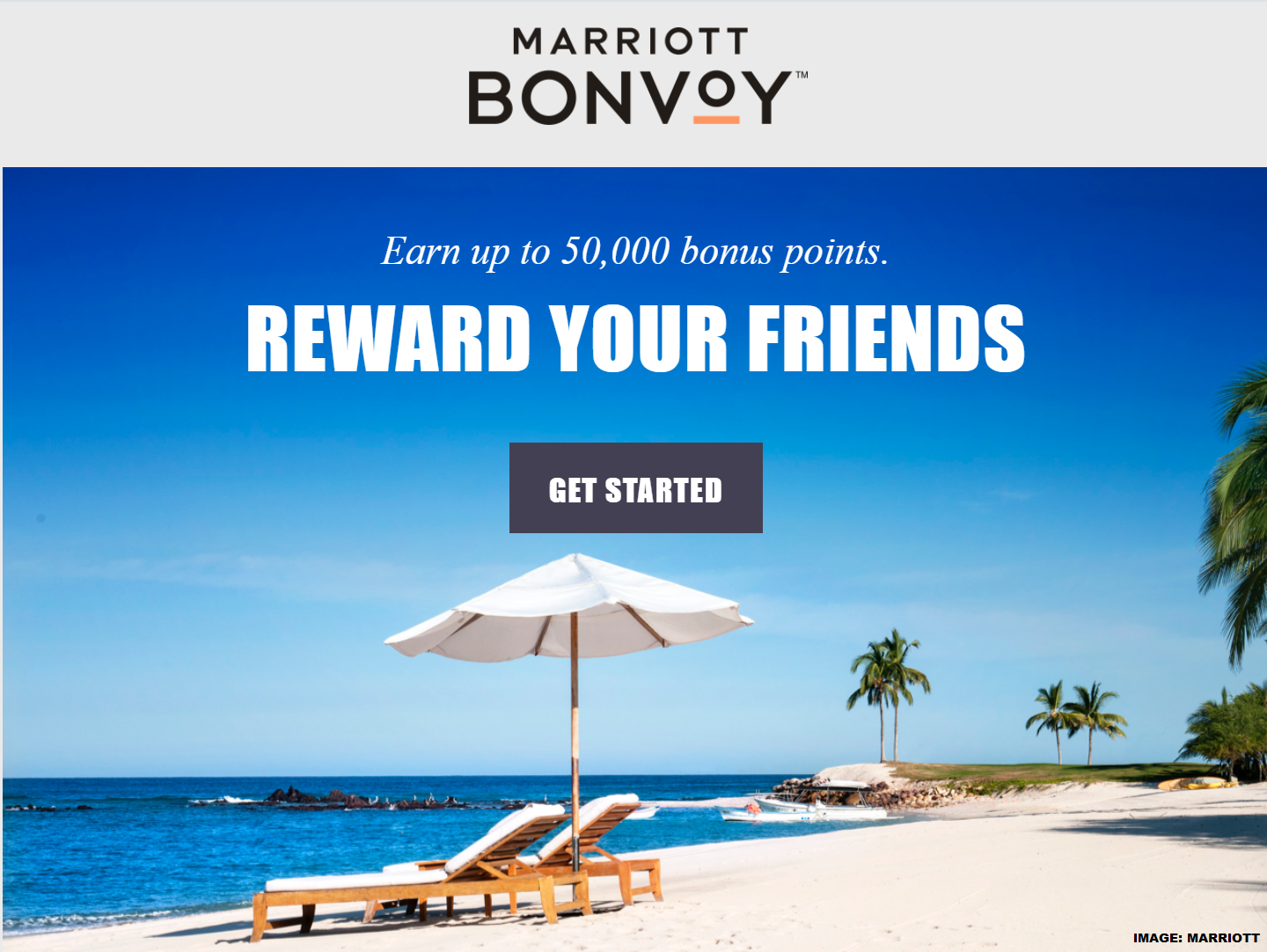
Member Registration
-

Customer Care
-
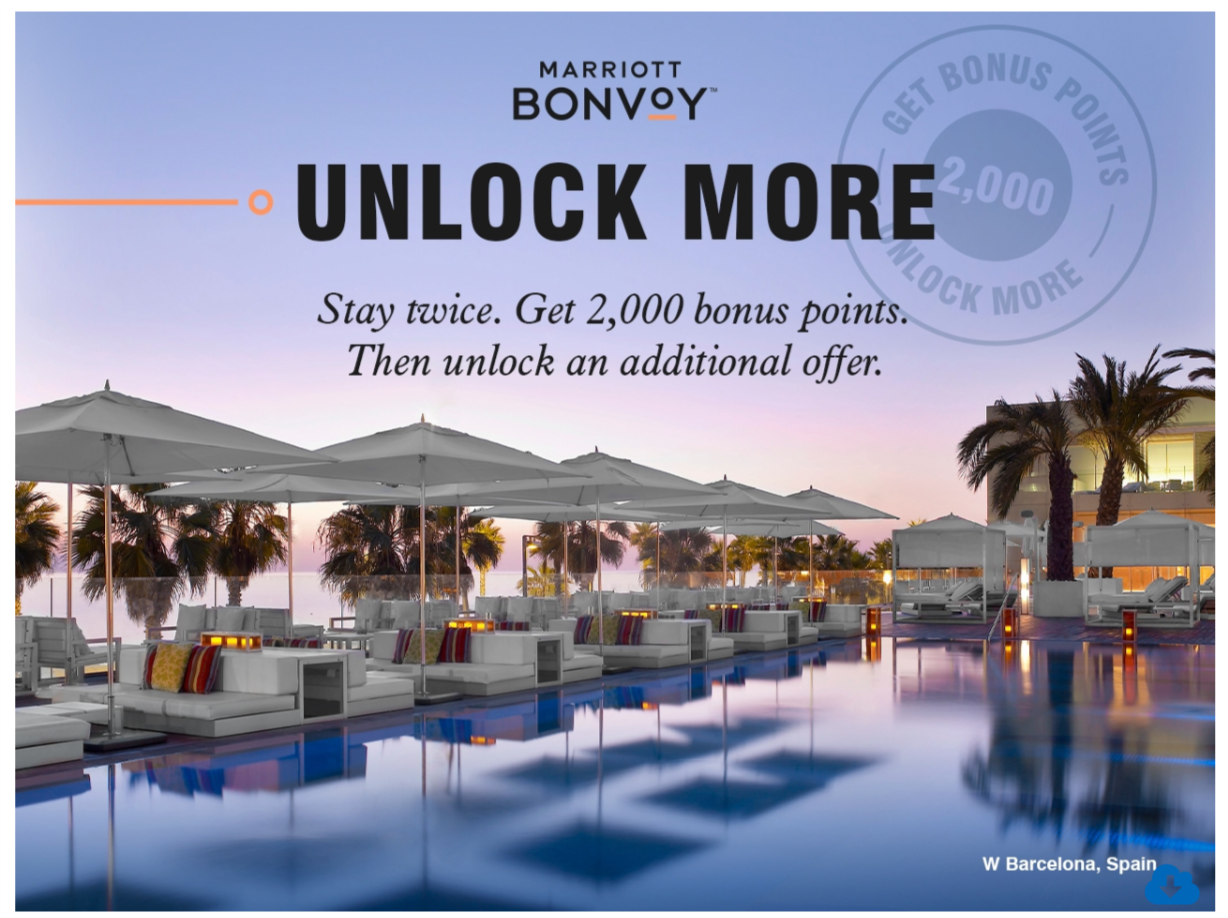
Promotions
CHANGES
Streamlined workflows by reducing number of clicks
Removed a need for authentication
Reduced points of failure between members and customer care
Educated users on certain tasks and features across multiple channels
Introduced consistent language across channels
CASE STUDY
PROMOTIONS
Promotions are targeted and personalized marketing campaigns where not all members receive the same promotion, if any. One promotion can generate $50M+ in revenue.
LEGACY CONTEXT
The Promotions team requested a page where members could view promotions they’re eligible for, and register for them.
COLLABORATION (PROMOTIONS TEAM)
COMMON FLOW, 90%
Member receives a promotion email and clicks the link
Member authenticates
Member clicks register on the Promotions page
Member is successfully registered
DESIGN
IDEAL FLOW
Member receives a promotion email and clicks register
Member is taken directly to the success / fail page
COLLABORATION (DEVELOPERS)
AUTHENTICATION
Tells the system who is registering
Not used to determined registration eligibility
Not used to register the member
Not used for security purposes
COLLABORATION (LEGAL)
TERMS & CONDITIONS
Terms & Conditions should be available to the member prior to registration
Agreement to the Terms & Conditions is implied; no checkbox is required
DESIGN
SOLUTION
Attach account name to email link instead of authenticating
Bypass the promotions page and take users directly to success / fail page
Add Terms & Conditions inside email
RESULT
Single-click, no authentication registration
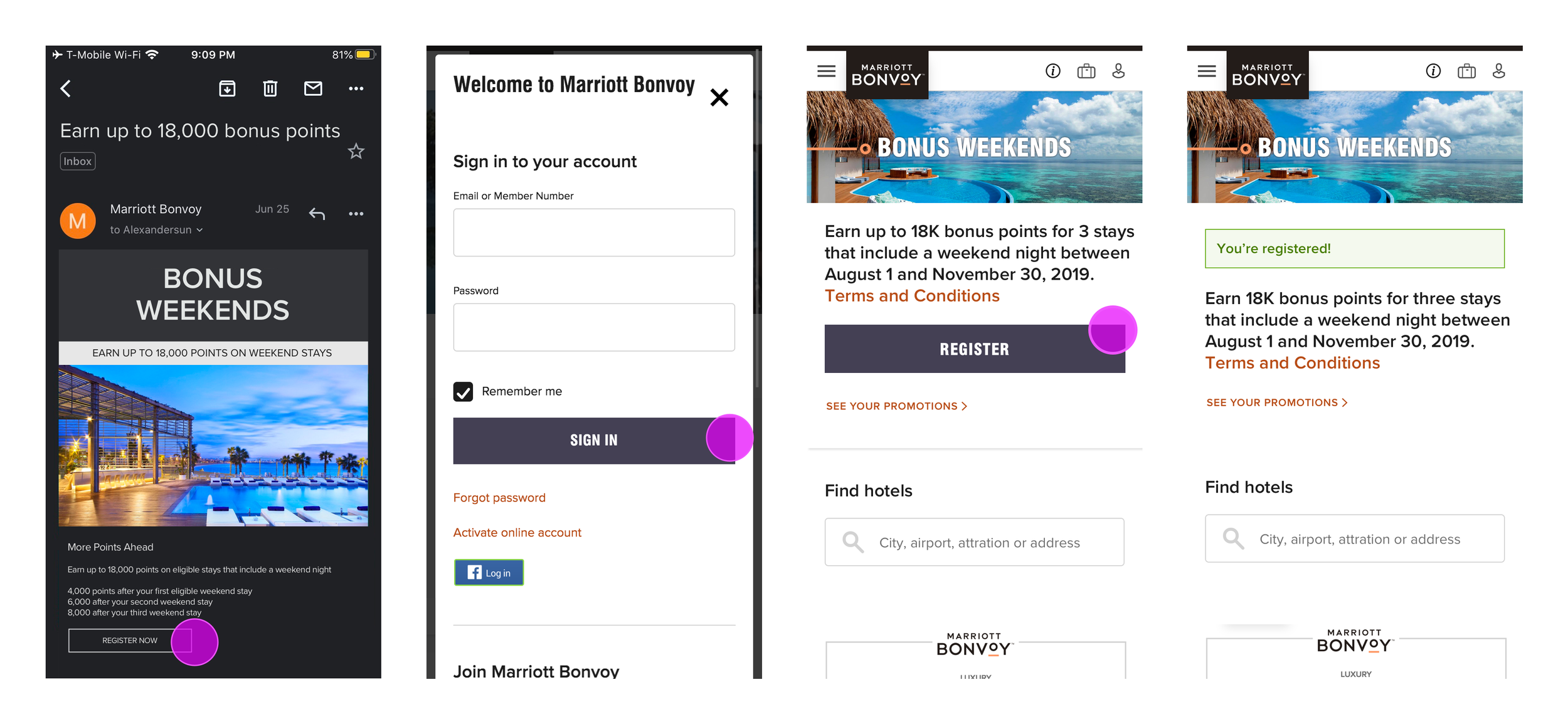
The original promotion registration flow required authentication and three clicks.
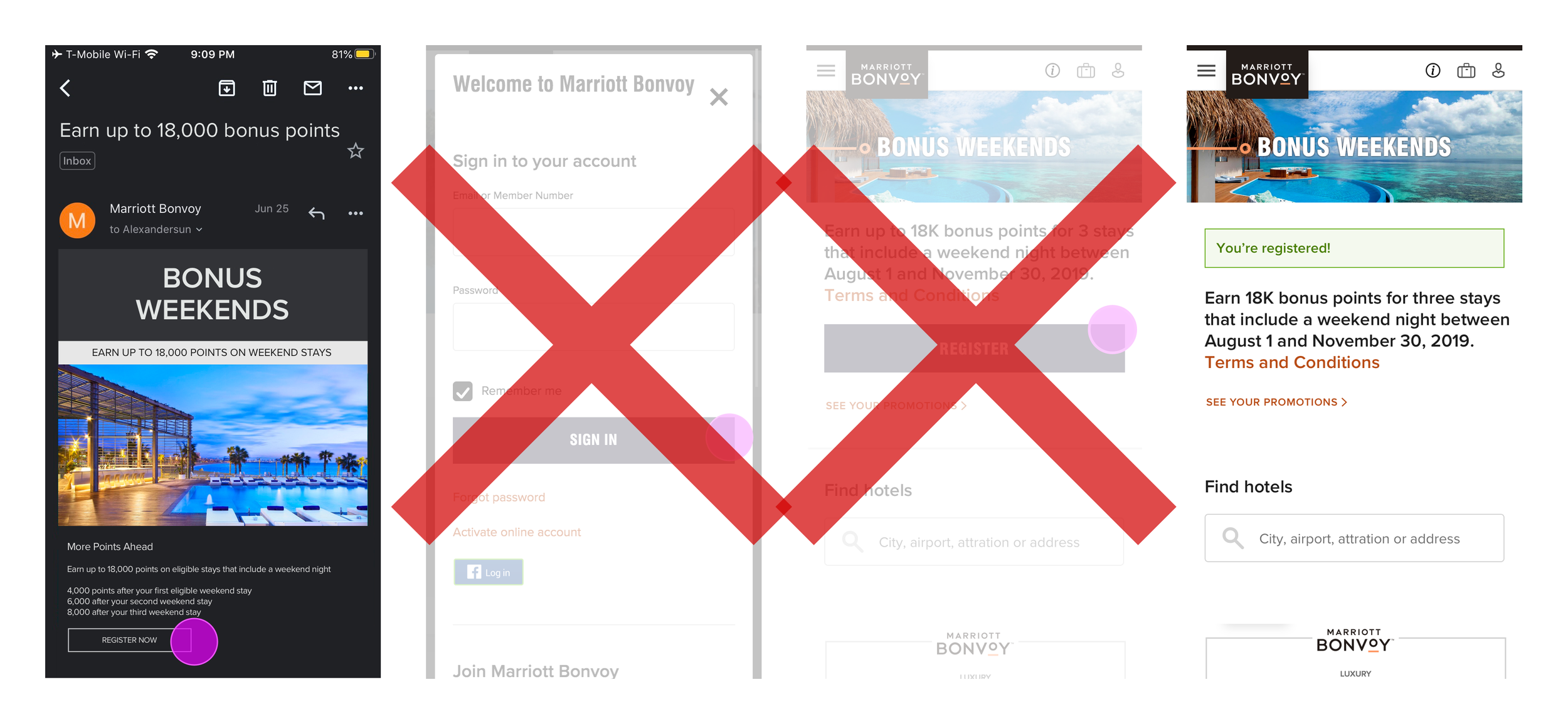
Collaboration with the promotions, development, and legal teams eliminated the need for authentication and simplified registration to a single click.
IMPACT
$125,000+
Annual cost-savings
+10%
Promotion registrations
-2 weeks
Customer support ticket resolution time
+3%
Member registrations
FEATURED CASE STUDIES

Data-Driven design
Directed data collection to generate insights that informed strategic design decisions across multiple projects and touchpoints.
Role: Lead UI /UX Designer, research and define critical user pain points, guiding a team of six to analyze data and shape design direction
USER RESEARCH
I began with qualitative research to understand users’ pain points and determine which numerical data to collect, guiding the design process.
Monitor online forums
Conduct influencer interviews
Solicit community feedback
Conduct competitor analysis
Use systems daily and extensively to build user empathy
Stay around the water cooler
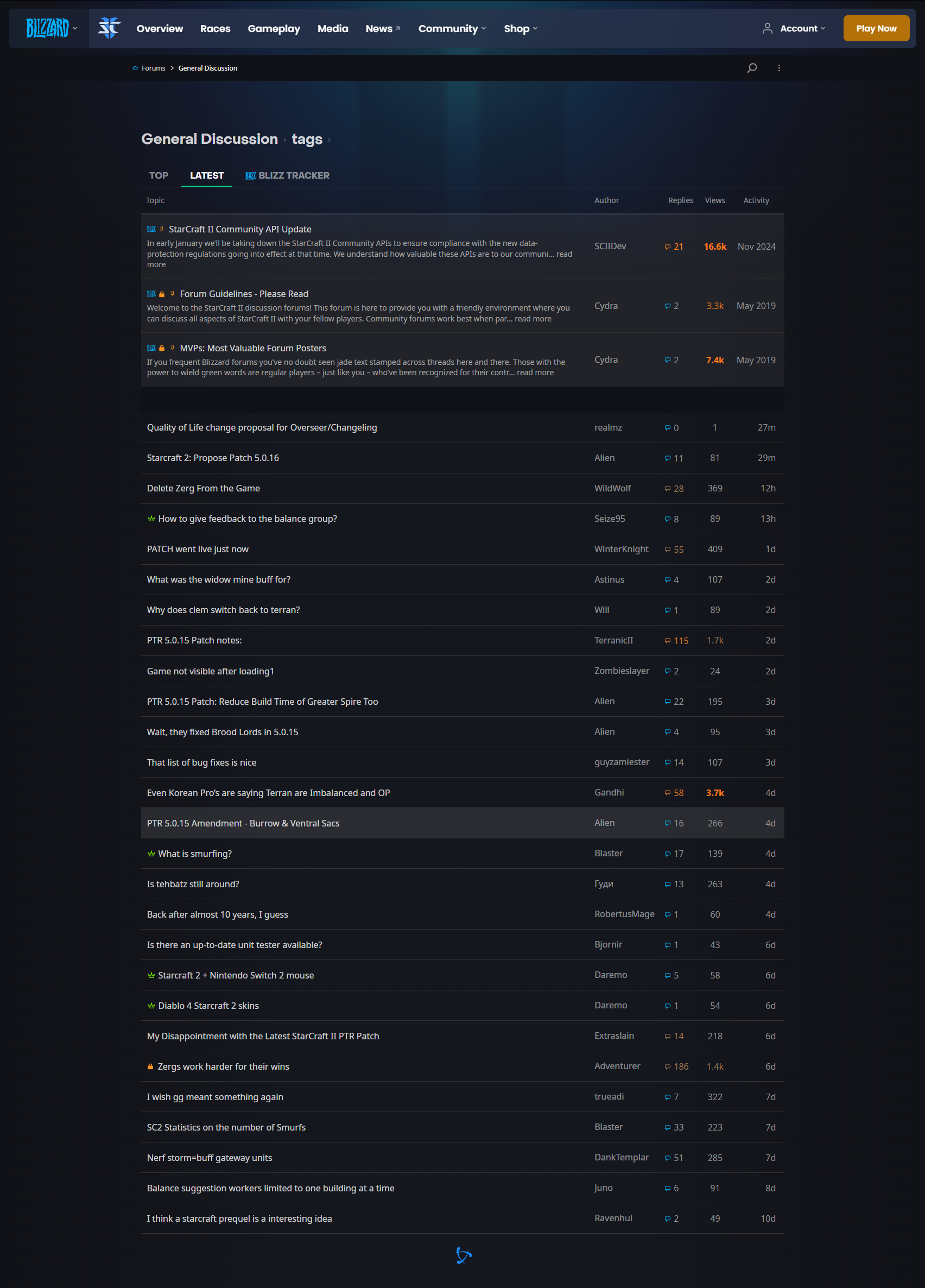
I monitored online discussions regularly to capture user sentiment.
ANALYST COLLABORATION
I led cross-functional meetings with two data scientists, a doctor of mathematics, and three software developers, defining the design objectives while the team determined what data to collect to address them.
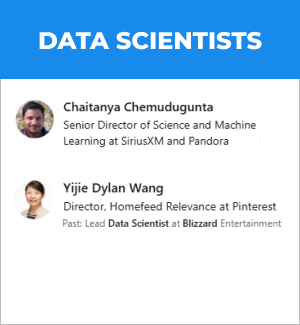

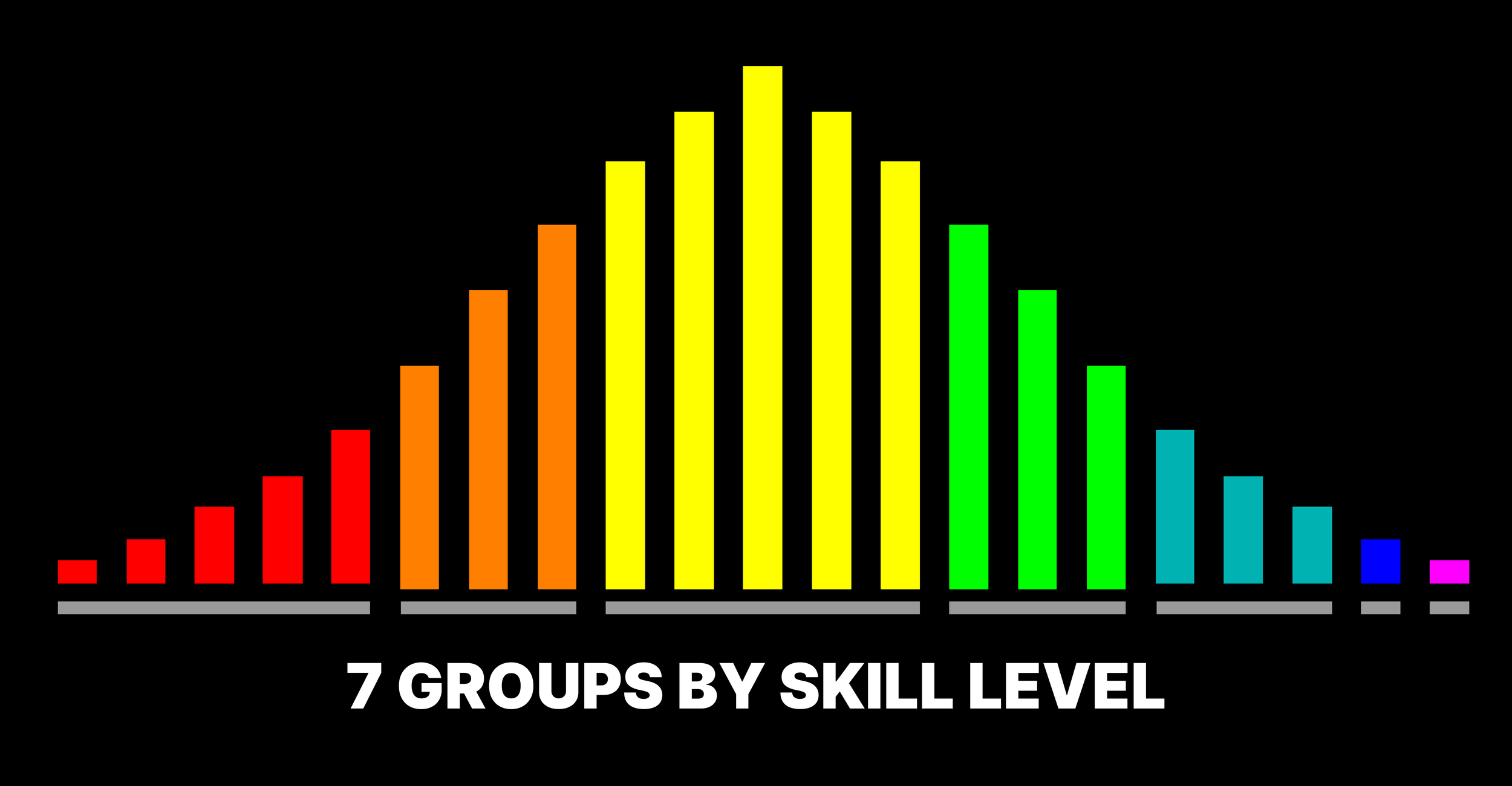
I grouped the population into seven macro groups based on skill.
APPROACH HIGHLIGHTS
Found cost-effective methods of user tracking
Analyzed behavioral data to uncover patterns
Grouped users logically based on data to inform design for each segment
Detected areas of largest user drop off
Conducted user testing via community outreach
Collected user feedback on their perceptions of the changes
Took educated guesses
DESIGN PROCESS

Research

Hypothesize

Design
Test
CHANGE HIGHLIGHTS
Map personas in real-time to deliver targeted, custom experiences
Developed extensive new content to engage a wider audience
Improved and future-proofed the matchmaking system
Created new UI to guide and incentivize players
Expanded on the most popular rewards and introduced complementary ones
Reworked social features to maximize and maintain interactions
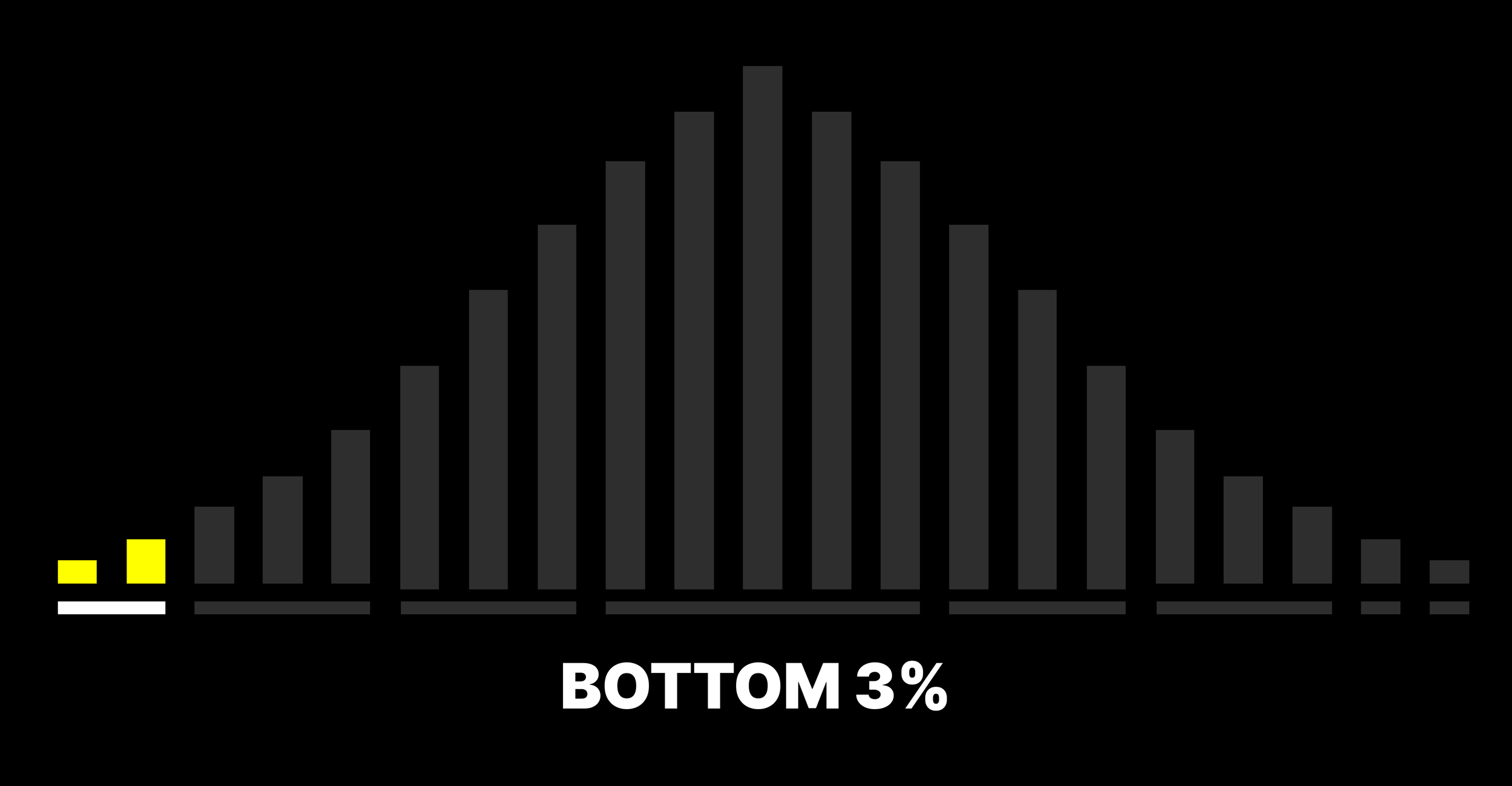
Churn in the bottom 3% was high possibly due to lack of positive reinforcements, low win rate, lack of interest in competitive play, or other unknown reasons.
CASE STUDY
COMPETITIVE PLAY
Ranked play was a key staple of the product. Competitive gaming in the first installment was so popular that it helped spark today’s $6B+ eSports industry and even played a microeconomic role in lifting Korea out of its 1994-2000 recession.
ANALYSIS
USER RESEARCH: Lower-skilled players found the ranking system frustrating.
HYPOTHESIS: The system experienced recursive churn as lower-end users along the normal distribution stopped playing.
DATA: The lowest 5% saw little reward for wins despite skill gains, resulting in attrition.
DATA: Over time, the normal distribution shifted in a way that disadvantaged the lower half in terms of rewards.
SOLUTIONS
Provide more positive reinforcement for the bottom 25% of players.
Automatically readjust the normal distribution every three months to maintain the desired experience and future-proof the system.
Hired a new game designer to create a low-pressure content, encouraging players to stay engaged in the game and possibly return to competitive play.
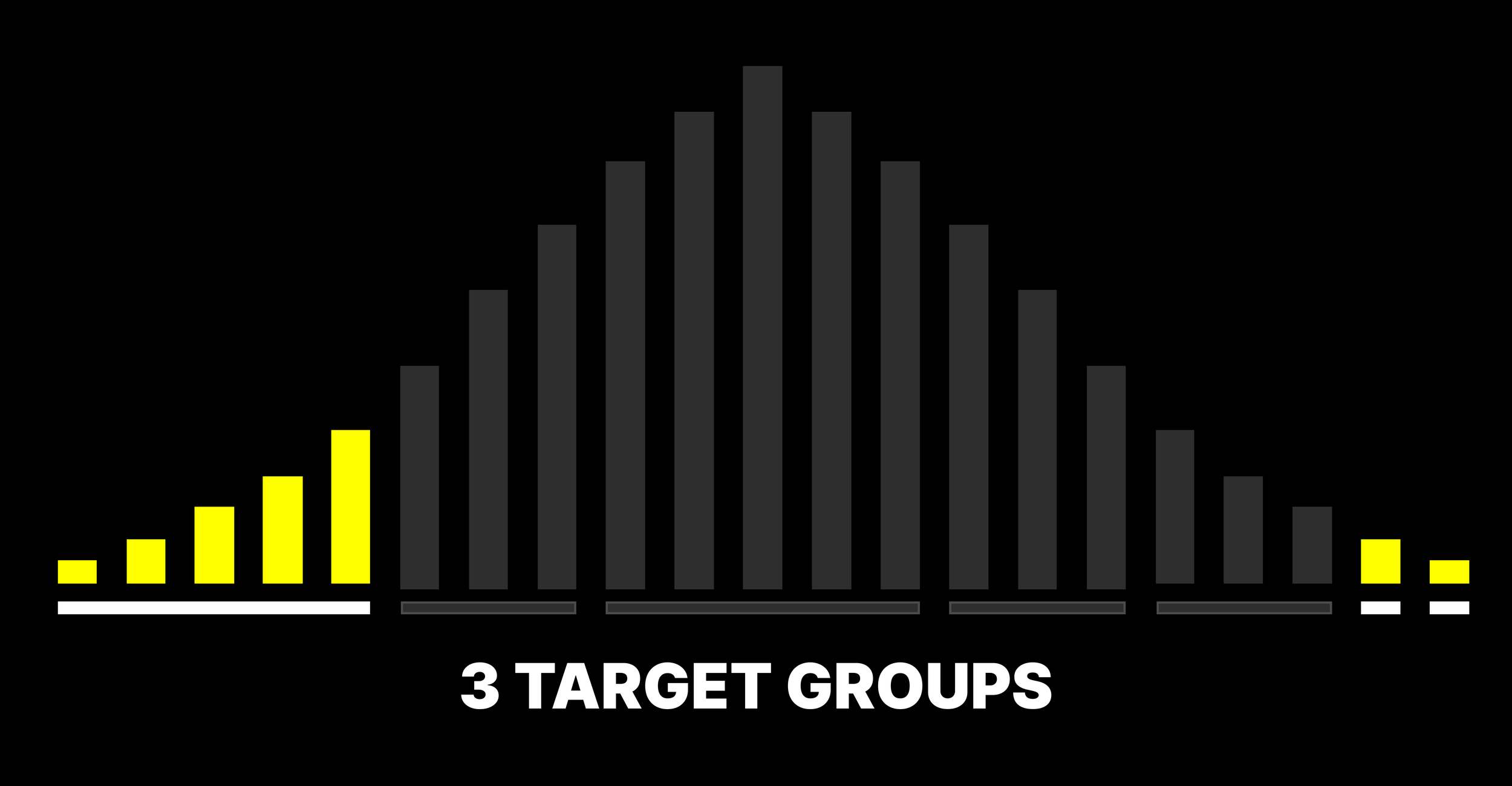
8% of the users received a disproportionately high share of development effort.
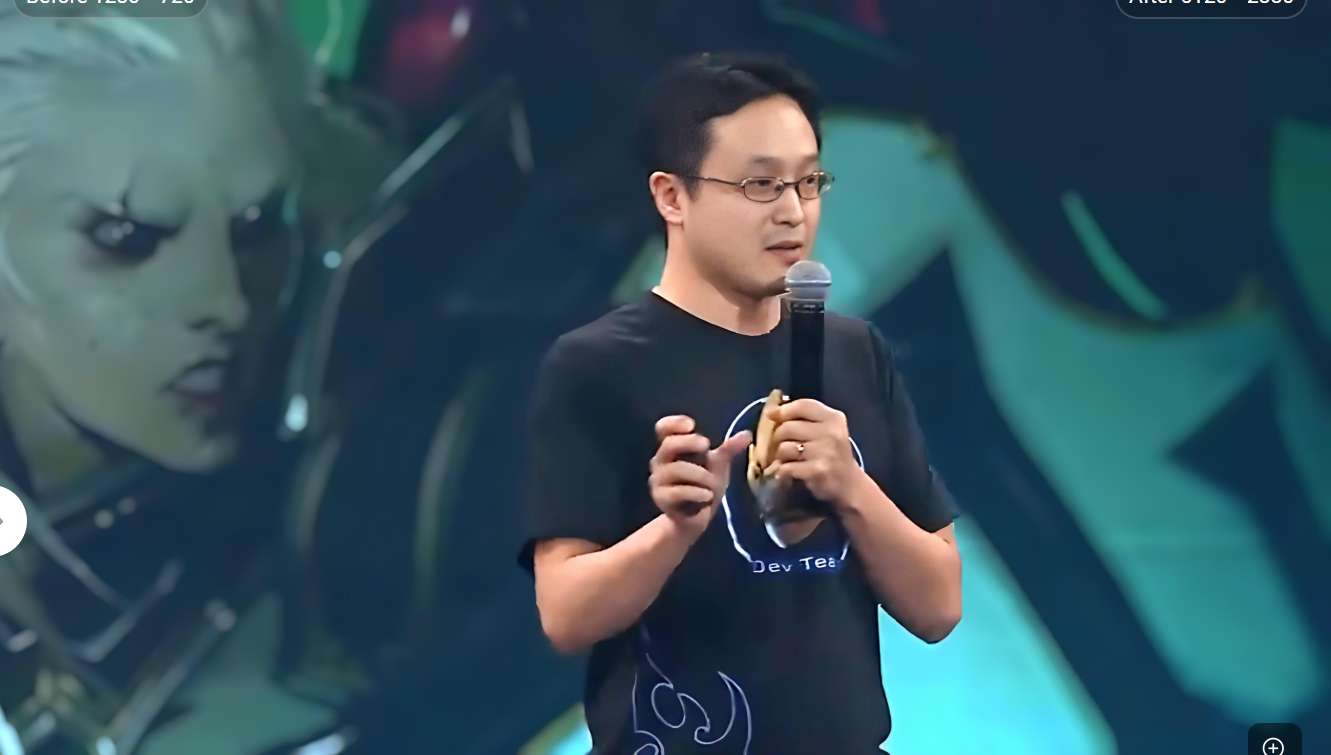
This YouTube video highlights changes and reasonings behind them. Later, I gave a similar presentation at the Wharton School of Business on gamification.
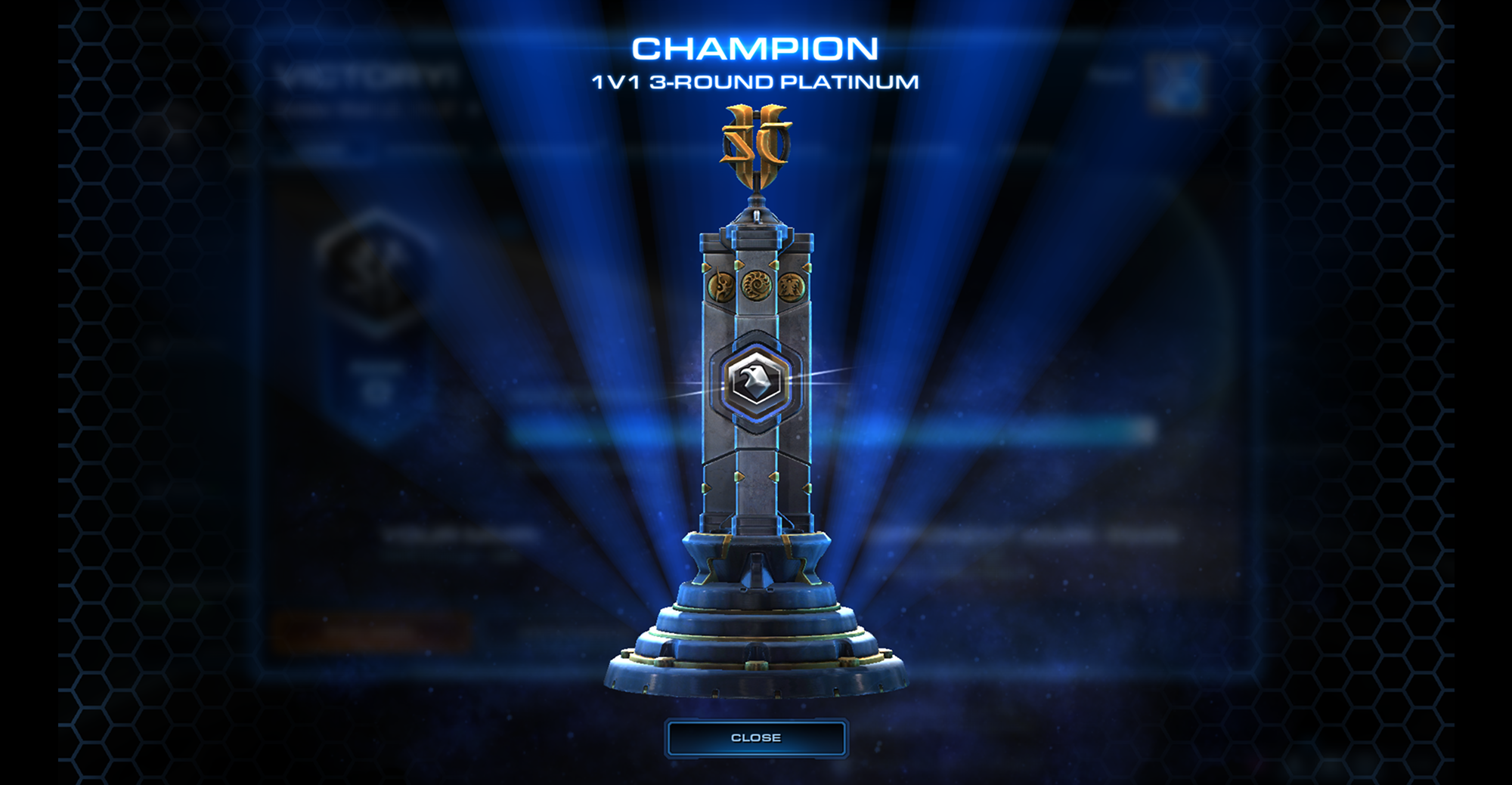
Added rewards for eSports-focused personas.
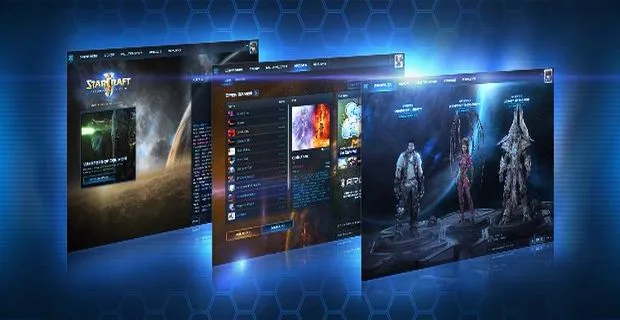
Launched a major casual content initiative with a new designer on the team.
RECEPTION
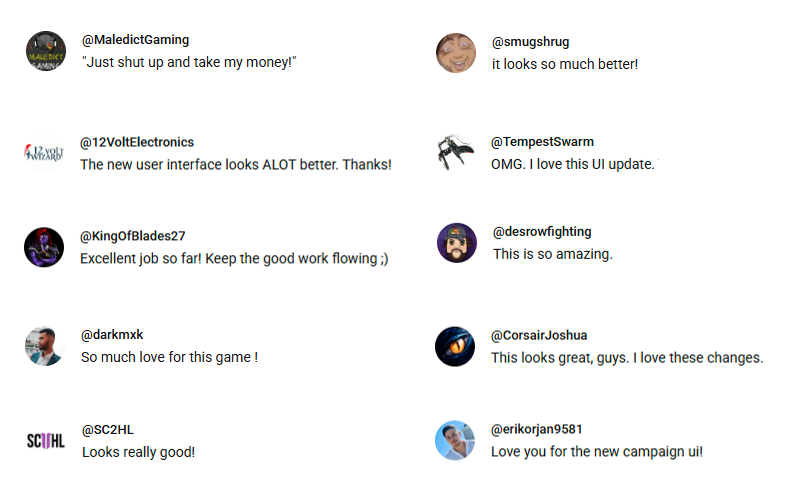
YouTube comments show user excitement over some upcoming UI changes over social features and content for casual personas.
RESULTS
+40%
User retention
+600%
User engagement
88%
Metacritic score
SKILLS
User Interface Design, Interaction Design, ADA compliance, 508 Compliance, WCAG Compliance, Wireframing, Prototyping, Responsive Design, User Interviews, Usability Testing, Journey Mapping, User Flows, Personas, User Profiles, Cross-Functional Collaboration, Agile, UX Writing, Gamification, Information Architecture
CAREER HIGHLIGHTS
-
Marriott-Starwood merger
-

Guest speaker at Wharton School of Business on gamification
-
Top 100 & Top 300 most visited websites
-

Mentored by Rob Pardo
Alexander Sun
AlexanderSun@gmail.com | (949) 302-9139 | linkedin.com/in/alexandersun